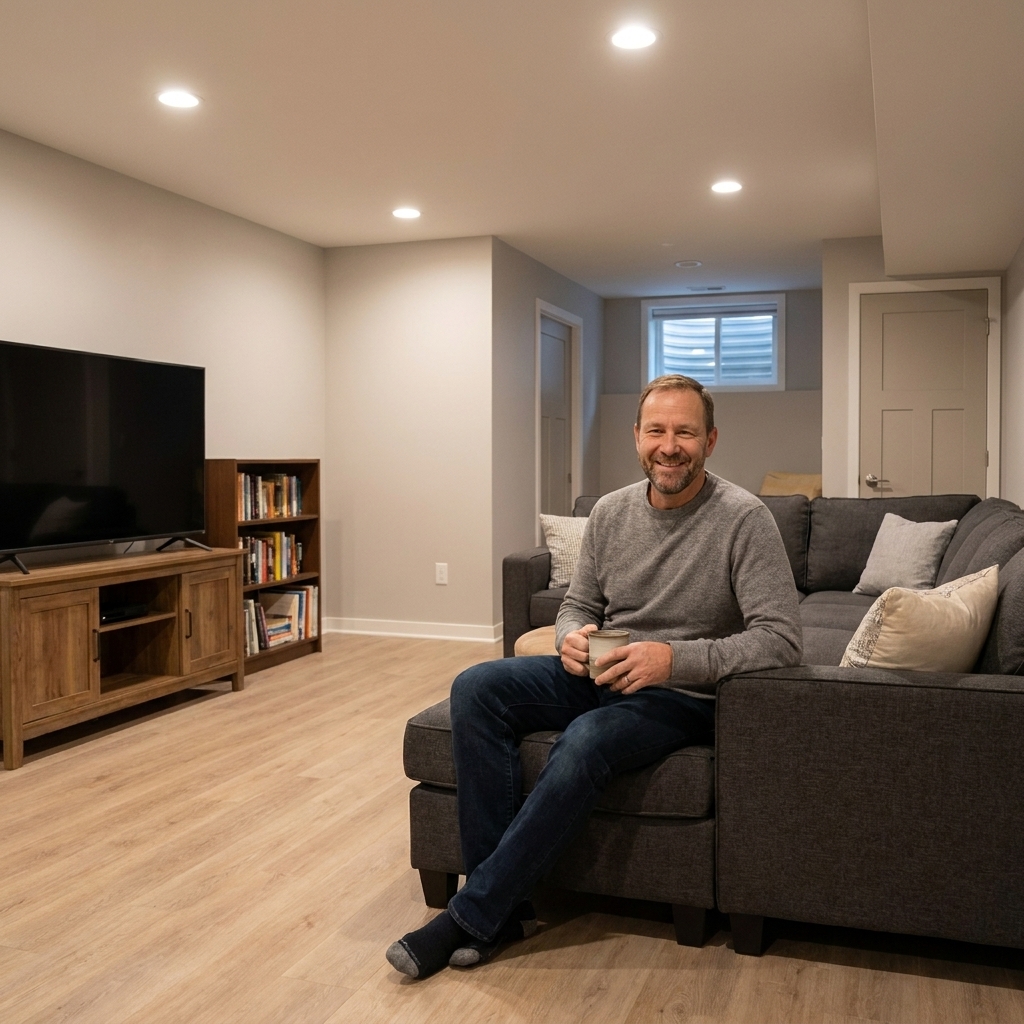

Hi, I’m Nathan Wallace. Welcome to Finish Below.
I’m the one who will happily talk basement walls, vapor management, and why your “quick” weekend project probably deserves one more round of measuring. I’ve spent more than a decade turning damp, underused basements into living spaces that actually feel like part of the home, not an afterthought.
How I got obsessed with basements
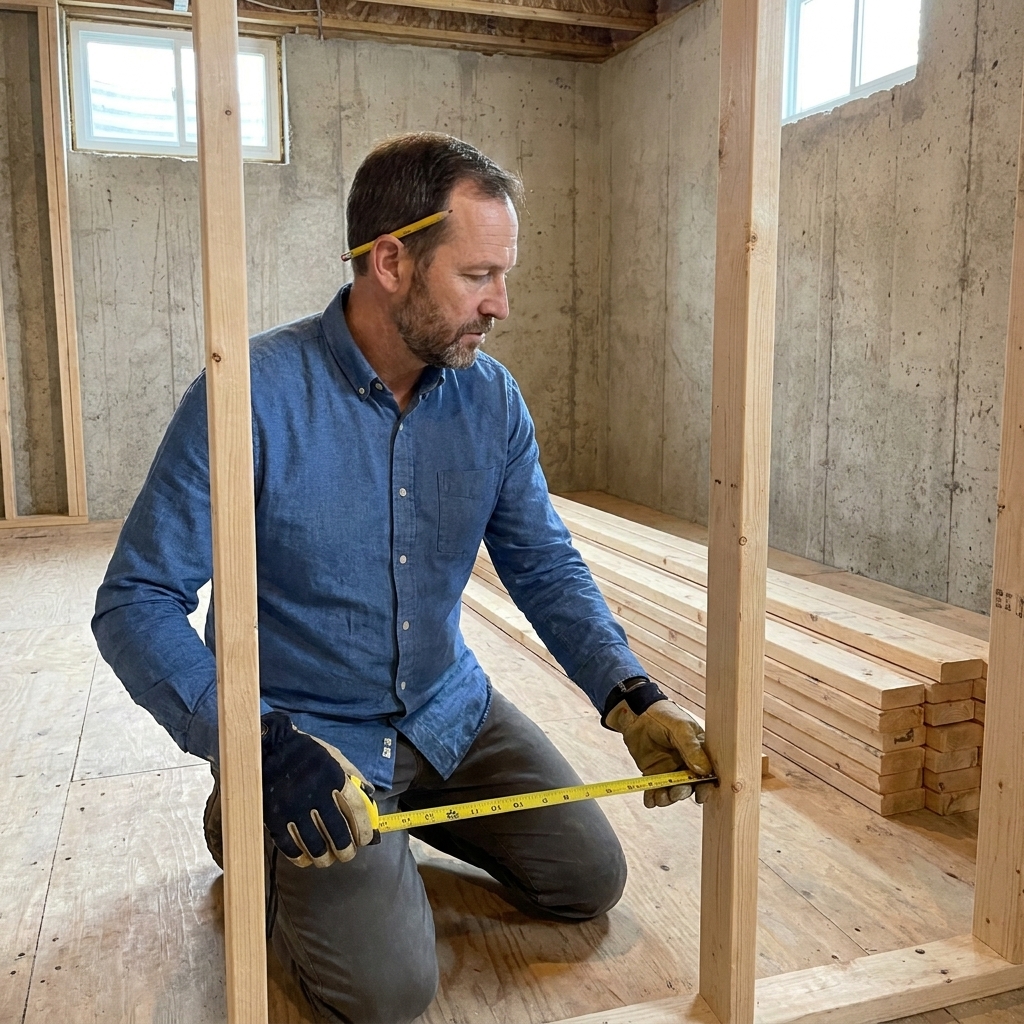
My basement-finishing story starts the way a lot of DIY stories start. I bought my first home, a fixer-upper with a dark, musty cellar that felt more like a storage cave than usable square footage. I did what you probably did: I called for quotes. Then I stared at those numbers and thought, “There has to be another way.”
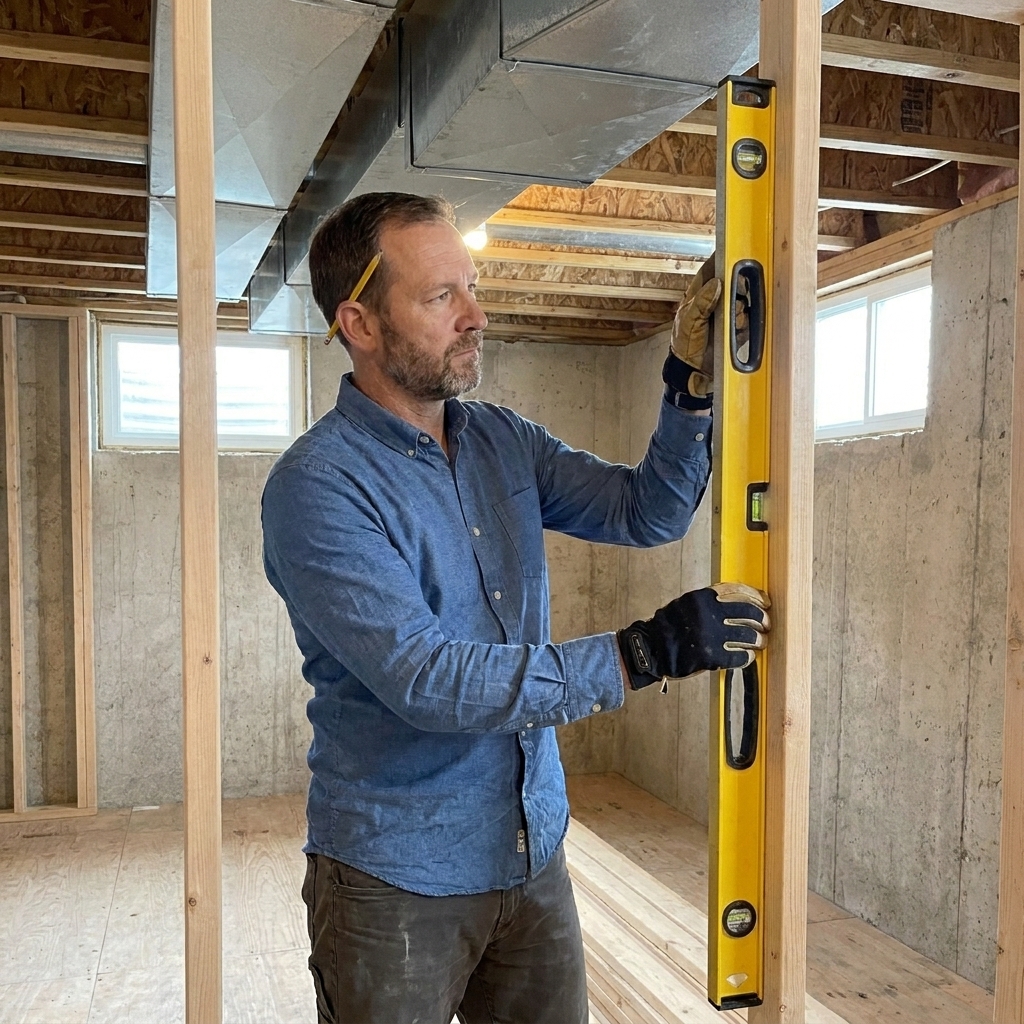
So I started learning. Not the glamorous parts first, either. I learned the hard way about moisture, the kind you do not notice until you smell it or step on a soft corner of flooring. I learned what happens when you rush framing around low ductwork. I learned why basements punish shortcuts, especially when it comes to keeping water out and managing airflow and ventilation.
Over time, the projects got better and the mistakes got fewer. Friends and family started asking for help with their own lower levels. I’ve helped plan and build everything from home theaters to cozy guest suites to simple, durable workout rooms. The biggest lesson I carry into every project is this: a basement is a home’s most untapped asset, but only if you respect the fundamentals.
What Finish Below does
Finish Below exists for regular homeowners who want a basement they can actually use, without getting bullied by confusing advice or overwhelmed by contractor-level jargon.
My mission is simple:
- Keep it dry first. Pretty finishes do not matter if the space cannot stay dry and comfortable.
- Explain the “why,” not just the “how.” Basements are full of trade-offs. When you understand the reason behind a step, you make better decisions.
- Help you build within your limits. I love DIY, but I love safe wiring, healthy air, and good sleep more. I’ll always encourage you to know when to bring in a pro, and when to check local codes and permit requirements.
If you’re starting from scratch, head to Planning & Budgeting. If you’re already staring at concrete walls and wondering what comes next, the most important early stop is Moisture Control.
What to expect
I write the way I work: patient, practical, and a little obsessive about the details that keep a basement comfortable for the long haul. You’ll see a heavy focus on sequencing, because order matters downstairs. The right steps in the wrong order can cost you twice as much.
Most articles here aim to help you answer questions like:
- How do I plan a layout that feels natural and not like a maze?
- What do I do about low beams, soffits, duct runs, and awkward posts?
- Which flooring holds up best when life happens?
- How do I make a basement brighter without making it feel sterile?
Those topics live in the core sections of the site: Framing & Construction, Flooring Options, and Lighting & Finishes.
My basement philosophy
If you control moisture, respect clearances, and plan like you’ll live there for years, the rest of the finishing work gets easier and a whole lot more enjoyable.
I’d rather see you finish a smaller basement correctly than finish a bigger one twice.
I’ve made the expensive, frustrating mistakes so you do not have to. That includes the temptation to rush, the temptation to hide problems behind drywall, and the temptation to buy the “perfect” materials before the space is truly ready for them.
Questions and corrections
I’m always learning, and basements are full of regional quirks. Soil conditions, climate, older foundations, and past water history can change the right approach. If something on the site needs clarification, if you spot an error, or if you just want to share what you’re dealing with, send a note through the contact form at /contact/. I read every message.
By using this site, you’re covered by our Privacy Policy and Terms of Service.