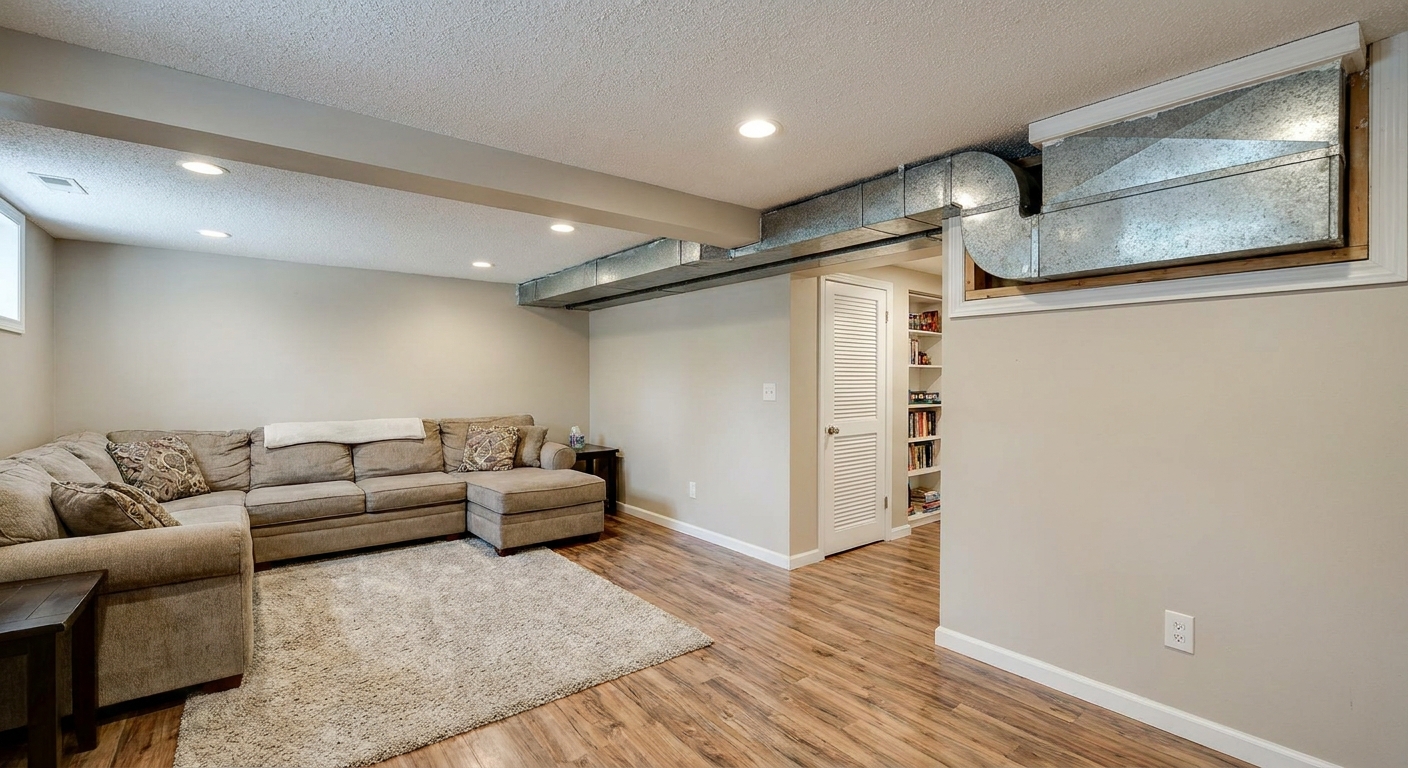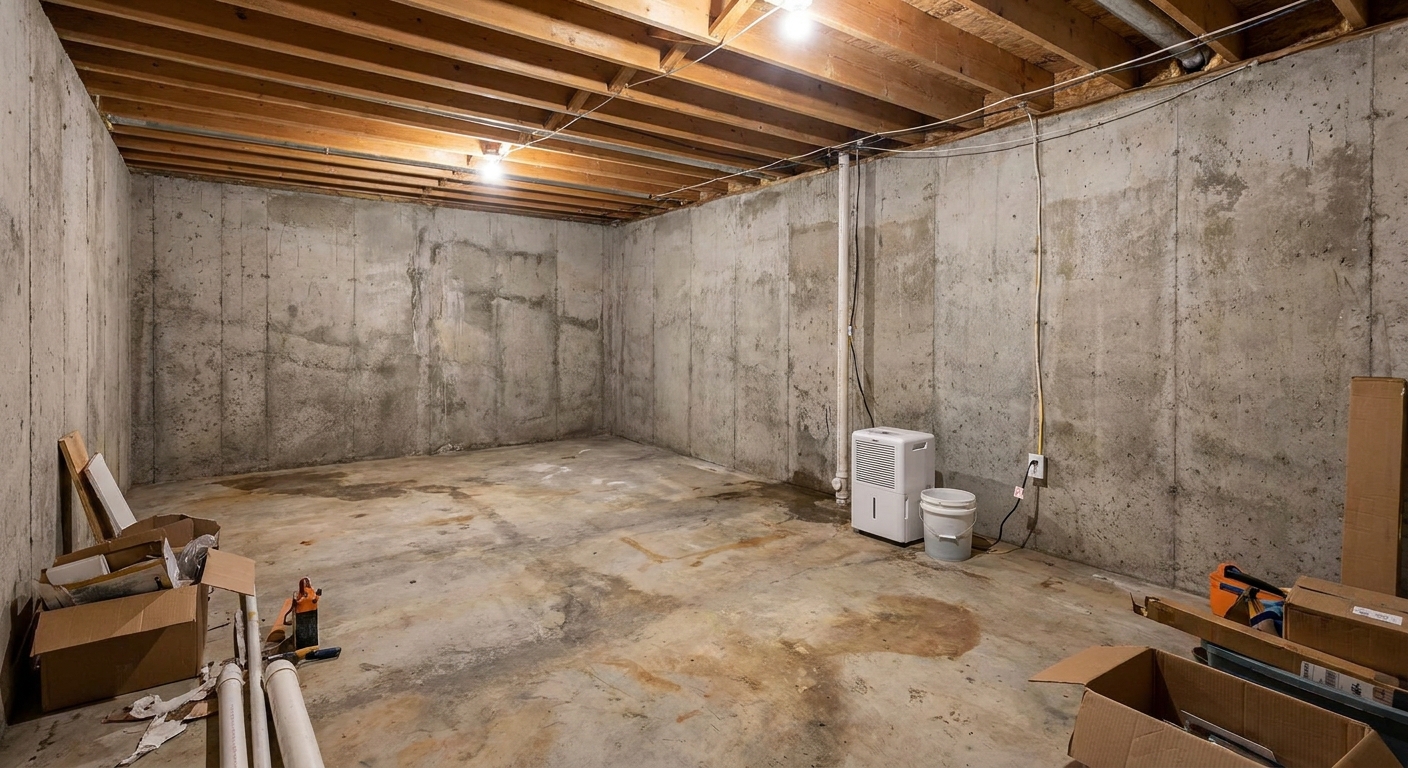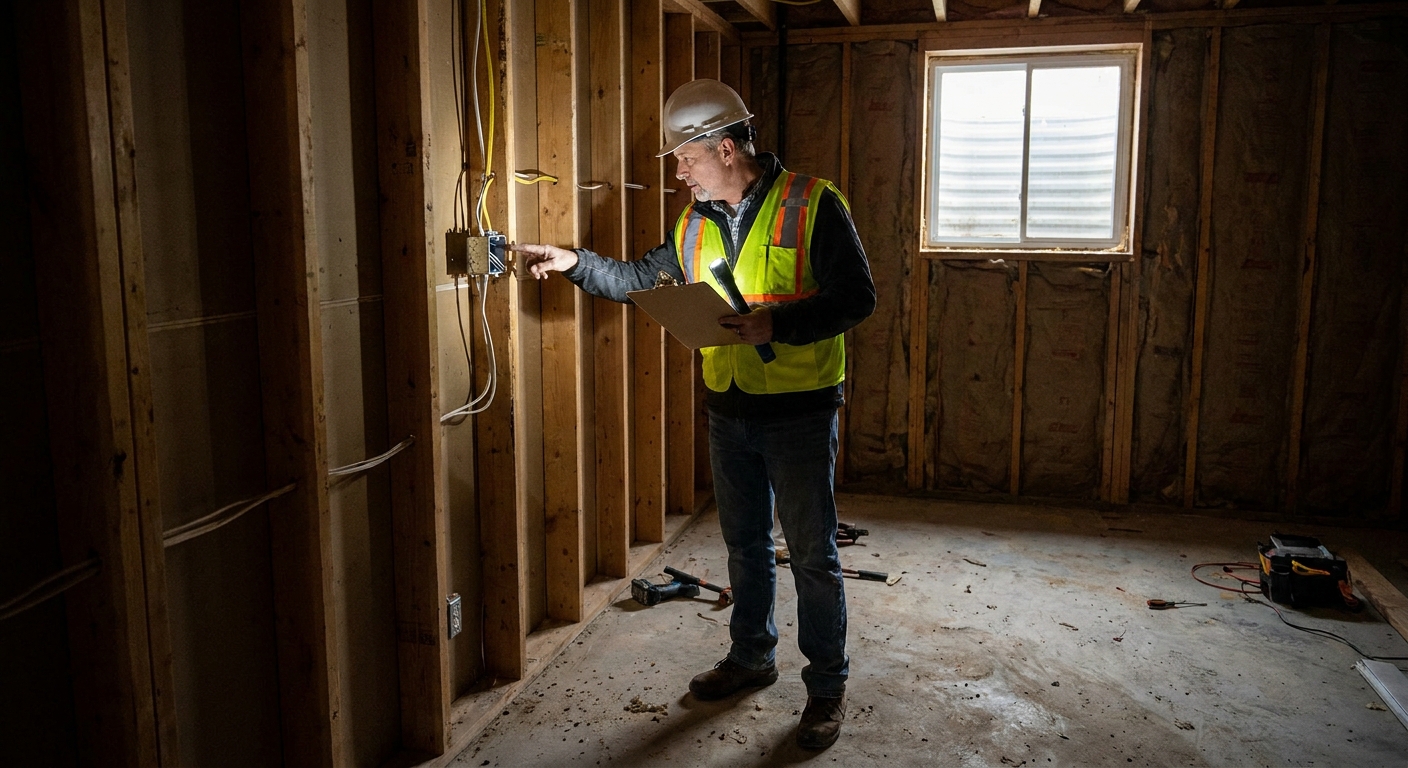

The first basement I finished was funded the old-fashioned way: I bought materials a little at a time and did the work on nights and weekends. It was slower than I wanted, but it kept me from taking on a payment I was not ready for. Years later, after watching friends finance their basements three different ways (and after doing it myself), I have learned there is no single “best” option. The best financing choice is the one that keeps the project moving without forcing you to cut corners on moisture control, permits, or the boring structural stuff that actually makes a basement last.
This guide compares cash, HELOCs, and home equity loans for basement finishing, with a focus on how each one changes your total project cost, your monthly cash flow, and your long-term home equity.

Start with your real basement number
Before you pick a funding method, get clear on the number you are actually trying to finance. Basements are notorious for scope creep because the hidden work is expensive and easy to underestimate.
If you have not priced your project yet, start here: Basement finishing cost breakdown per square foot. Then build your budget around three buckets:
- Base build: framing, electrical, drywall, ceiling, flooring, trim, doors.
- Risk reducers: moisture control, sump or drainage improvements, radon mitigation (if needed), dehumidification, egress solutions.
- Soft costs: permits, inspections, design help, dumpster, tool rentals.
I also recommend adding a contingency. For basements, my rule of thumb is 10 to 20 percent. If you are opening up an older basement with more unknowns (previous leaks, old wiring, uneven slab, low headroom), I lean closer to 20 percent. If you need a sanity check on sequencing, use this: Pre-finishing basement checklist.
Two financing realities most DIYers miss
- Moisture problems do not care about your interest rate. If your financing choice pushes you to “finish now, fix later,” you can end up paying twice. See: Moisture control.
- Permits are not optional in most jurisdictions for real work. Especially when you create bedrooms, move plumbing, or add electrical, plan for permits and inspections from day one: Basement finishing permits: what you need and how to get them.
Quick comparison: cash vs HELOC vs home equity loan
| Option | Best for | Rate style | Payment style | Biggest risk |
|---|---|---|---|---|
| Cash | Smaller projects, phased DIY, avoiding debt | None | None | Draining emergency fund, stalling mid-project |
| HELOC | Phased projects, paying contractors in stages, flexible draw | Usually variable | Draw period then repayment | Rate increases, spending creep |
| Home equity loan | Big, defined scope with a clear bid | Often fixed | Fixed monthly payment | Overborrowing if scope changes, less flexibility |
All three can work. The trick is matching the tool to the way basements actually get built: uneven cash needs, surprises behind walls, and inspections that create stop-and-go pacing.
Option 1: Paying cash (and why it is underrated)
Cash is the simplest financing method: no interest, no closing costs, no lender rules. If you can fund the project while keeping a healthy emergency cushion, cash usually wins on total cost.
When cash is a great fit
- You are doing a phased finish (storage room now, family room later).
- You have enough savings to finish the project without skipping moisture fixes.
- Your basement plan is flexible, and you are okay slowing down when life gets busy.
The hidden cost of cash: timelines and “good enough” decisions
The biggest downside is not financial. It is practical. When cash gets tight mid-project, homeowners tend to:
- Choose cheaper materials that do not belong in basements (like water-sensitive flooring).
- Delay the unsexy work (like dehumidification or correcting a damp wall).
- Leave the space half-finished for a year (or five).
If you go the cash route, protect yourself with two rules:
- Keep an emergency fund separate from the basement fund. Basements are optional. Furnace repairs are not.
- Buy the “risk reducers” first (water management, air control) and the pretty finishes last.
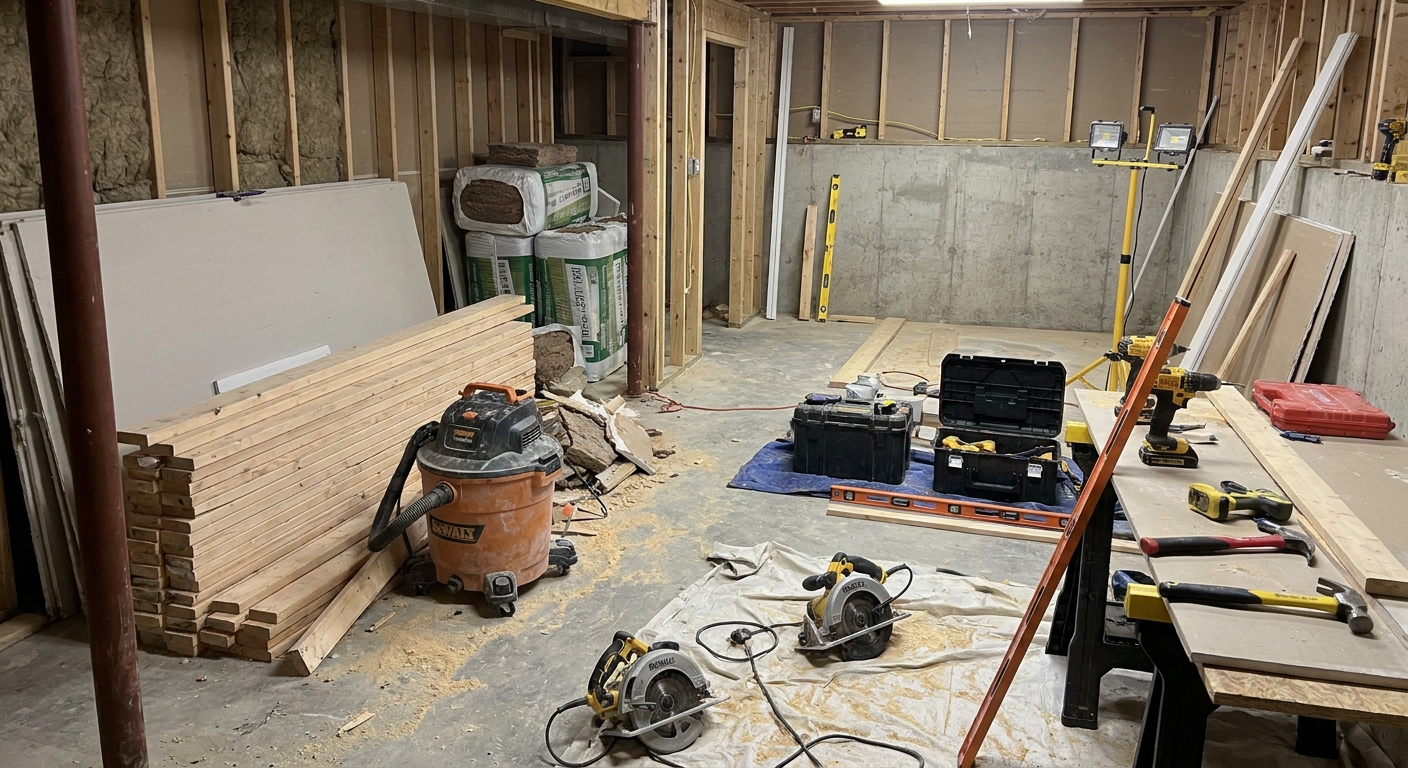
Option 2: HELOC (home equity line of credit)
A HELOC is a revolving line of credit secured by your home equity. You get approved for a limit, then you draw what you need as you go. Terms vary by lender, but many HELOCs have a draw period followed by a repayment period.
Why HELOCs match basement projects well
Basement finishing is rarely one clean payment. It is a parade of invoices:
- Waterproofing or drainage work up front
- Framing and rough electrical
- Inspections
- Drywall and finishing
- Flooring and trim
A HELOC lets you borrow in steps, so you are not paying interest on money you have not used yet.
Example: if your project is priced at $50,000 but you only need $12,000 for early moisture work and rough-ins in the first month or two, a HELOC can keep you from paying interest on the other $38,000 while the basement is still bare concrete.
Where HELOCs bite people
- Variable rates. Many HELOCs float with market rates. Your payment can rise even if your balance does not.
- Payment rules vary. Some lenders allow interest-only during the draw period, some require principal and interest from day one, and some have minimum payment formulas that can surprise you.
- Spending creep. Easy access can turn “finish the basement” into “and while we are at it, let’s add a bathroom, a wet bar, and built-ins.”
- Draw and repayment transitions. Some homeowners plan around the draw period payment, then get surprised when repayment starts and the required payment jumps.
My HELOC guardrails for DIYers
- Set a hard project cap below your HELOC limit. A limit is not a budget.
- Use milestones: only draw for work that is next on the calendar, not for “just in case.”
- Stress test the payment by asking yourself: “If the rate went up two points, would I still sleep at night?”
If your project includes layout changes, take a look at how to design a basement floor plan before you start drawing funds. Layout changes after framing are where budgets go to die.
Option 3: Home equity loan (second mortgage)
A home equity loan gives you a lump sum up front with a typically fixed interest rate and a fixed monthly payment. Not every product is fixed, and terms vary by lender, but the appeal is predictability. If you have a defined scope and a contractor bid you trust, that predictability can be a relief.
When a home equity loan makes sense
- You are hiring out most of the work and have a signed proposal with a clear payment schedule.
- Your project is more “build a guest suite” than “DIY it over time.”
- You want a stable monthly payment that does not move around.
The main downside: you pay interest sooner
Because you receive the full amount on day one, you start paying interest on the full balance immediately, even though your basement might still be bare concrete for the next month or two.
How to avoid overborrowing
Basement scopes change. The safest way to use a home equity loan is to borrow for:
- Known costs you are committed to (contractor labor, egress window, plumbing rough-in).
- Necessary risk work that you will do regardless of finishes.
Then keep finishes (lighting packages, custom built-ins, high-end flooring) flexible if you need to dial spending back.
If you are at the stage of pricing materials and sequences, the planning hub is here: Planning & Budgeting.
What you can qualify for matters too
In real life, homeowners sometimes “choose” a financing option the same way you “choose” what is on the menu. It depends on what you qualify for.
- Equity and CLTV limits. Lenders usually cap how much you can borrow based on your home value and existing mortgage balance. If your equity is thin or your home value is uncertain, your options can narrow fast.
- Credit and income underwriting. A strong credit profile and manageable debt-to-income ratio can mean better pricing and easier approvals. A weaker profile can mean higher rates, lower limits, or a no.
- Appraisals and lien position. Some products require an appraisal, and the lender will care about where their loan sits compared to your first mortgage.
None of this is a reason to panic. It is a reason to run the qualification side in parallel with your project planning, so you do not get boxed in mid-build.
How financing changes your true project cost
Most people compare loans by the interest rate alone. For basement finishing, I want you to look at four cost layers:
1) Interest (the obvious one)
Cash has none. HELOC interest depends on your draw timing and rate changes. Home equity loans charge interest on the full lump sum.
2) Upfront fees and closing costs
Some equity products have appraisal fees, origination fees, or closing costs. Even a “low fee” loan can be thousands more expensive than it looks. Ask for a full fee worksheet before you commit.
3) Budget pressure that creates bad building decisions
A basement finished on a tight monthly payment sometimes gets value engineered in ways that hurt durability. The classic examples are skipping proper air sealing, choosing cheap flooring that hates humidity, or framing without addressing damp concrete. If you need a reality check on basement-ready finish choices, see: Flooring options and Lighting & finishes.
4) Opportunity cost
Cash spent on a basement is cash not earning interest elsewhere and not available for emergencies. Debt used for a basement is cash preserved, but it comes with payment obligations. There is no free lunch. You are choosing which constraint you prefer: less liquidity or more monthly commitment.
Other options people ask about
Cash-out refinance
This is the big one people expect to see. I am not covering it in depth because it replaces your first mortgage, and whether it is smart depends heavily on your existing rate and how long you plan to stay in the home. If you have a great first-mortgage rate already, trading it away to finance a basement can be an expensive move.
Personal loans and 0% cards
These can work for small, contained purchases, but they tend to be a rough fit for full basement finishing. The rates are often higher than home equity products, and the shorter terms can create payment pressure that pushes you into rushed decisions. Basements punish rushed decisions.
Choosing the right option for your basement type
If your basement has moisture history
Prioritize flexibility and a clean stop point. You might uncover issues once walls are opened or once a dehumidifier runs for a month. In that case, a HELOC or cash-phased plan can be safer than borrowing a lump sum based on optimistic assumptions. Start with moisture control and budget for fixes before finishes.
If you are building a bedroom or adding plumbing
These projects tend to be permit-heavy and inspection-driven. They also have higher “must finish” pressure once started. I prefer predictable funding here, either cash fully on hand or a fixed payment you know you can handle. Make sure you understand your local process: perms and how to get them.
If you are DIYing over time
A HELOC can be a great tool if you treat it like a controlled material account and not a lifestyle upgrade. Cash also works well for long DIY timelines, as long as you do not drain your safety net.
If you have a contractor doing a turn-key finish
If you have a firm bid and timeline, a home equity loan can be clean and predictable. Just be realistic about change orders. In basements, they happen.

How financing affects long-term home equity
Finishing a basement can increase your enjoyment immediately, and it can support resale value, but it is not a guaranteed dollar-for-dollar return. From an equity perspective, here is what matters:
- Debt reduces net equity. If you borrow $40,000 against your home, you have effectively traded equity for a finished space.
- Quality and code compliance protect value. Permitted work, safe egress where required, and good moisture control matter more than trendy finishes.
- Market conditions change. If home values flatten or decline, borrowing against equity can feel tighter.
My rule of thumb: borrow only what you could still manage comfortably if the basement added zero resale value. Build it for your life first, and let resale be a bonus.
Common financing mistakes I see in basement projects
- Financing finishes before fixing water. The basement is not the place to gamble. Start with keeping water out and humidity controlled.
- Using the lender limit as the budget. A limit is a maximum, not a plan.
- Not pricing the “invisible” line items. Dumpsters, tool rentals, subpanel upgrades, permits, and insulation add up fast.
- Ignoring headroom and mechanical obstacles. Soffits, ducts, and beams can force layout changes. Think through framing early: Framing & construction.
- Starting without a stop point. Every financing plan needs a defined “minimum livable finish” so you can pause without a half-demoed basement.
A simple decision path
Step 1: Can you pay cash and still keep a real emergency fund?
If yes, cash is hard to beat. If no, go to Step 2.
Step 2: Is your scope firm and priced with confidence?
If yes, a home equity loan can fit. If no, go to Step 3.
Step 3: Do you need flexibility because you are phasing work or you expect surprises?
If yes, a HELOC often fits best, with guardrails so you do not overdraw.
And if none of these feel comfortable, that is your answer too. A basement finish is optional. A financing choice that makes you anxious will push you into rushed decisions, and rushed decisions are how basements get moldy.
FAQ
Should I finance a basement finish at all?
It depends on your cash reserves, job stability, and whether the basement needs essential upgrades (like fixing chronic dampness) versus purely comfort upgrades. If financing would force you to skip moisture control or permits, I would slow the project down instead.
Is a HELOC or home equity loan better for DIY?
For phased DIY, HELOCs usually match the cash flow better because you draw as needed. For a defined scope with a firm contractor bid, a home equity loan can be simpler and more predictable.
Can I mix options?
Yes, and it is often smart. A common approach is to pay cash for early investigation and moisture fixes, then use a HELOC or loan for the big build phase once the scope is clearer.
What should I fund first if money is tight?
Anything that keeps the basement dry and safe: water management, dehumidification, electrical safety upgrades, and required egress work. Pretty finishes can wait.
Is interest tax deductible?
Sometimes, but the rules are nuanced and can change. In general, interest may be deductible only when the proceeds are used to buy, build, or substantially improve the home securing the loan. If deductions matter to your decision, talk to a qualified tax pro about your situation.