
The first basement I finished had that classic “old towel in a gym bag” smell. I did a lot of things right, but I made one mistake that taught me a lesson I still repeat to friends: I used a few perfectly normal, upstairs-approved materials in a downstairs space that wanted to stay damp.
For practical basement remodeling, mold usually comes down to two things you cannot always eliminate: moisture and an organic food source. Basements often provide the rest, like oxygen and comfortable temperatures. You can work hard on the moisture side, but you should also take away the food. That is what this list is about.
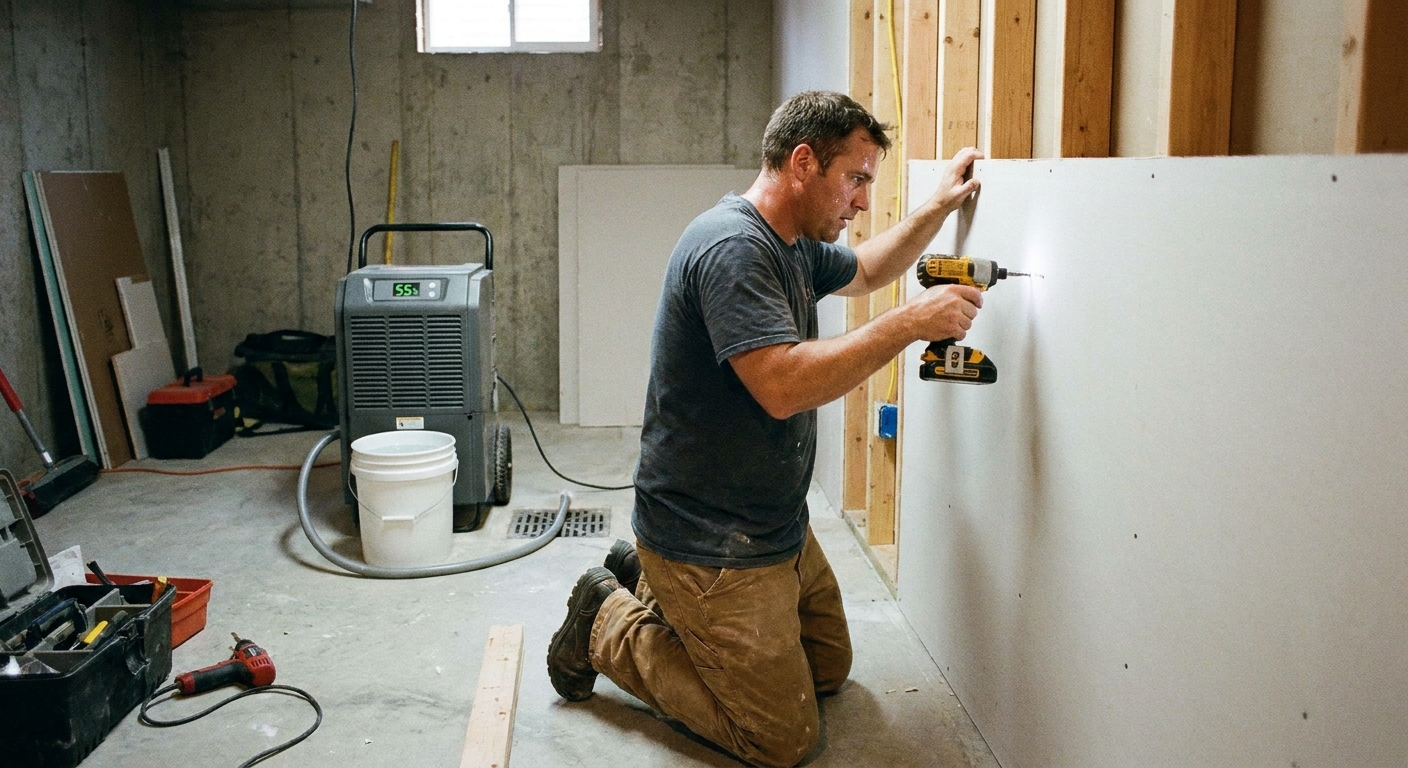
Before you pick materials, control the humidity
Mold-resistant products are not magic. If your basement regularly sits around 60% relative humidity or higher, you are in the problem zone. Treat that number as a guideline, not a hard line. Get the water and humidity plan in place first, then spend your money on better materials where they count.
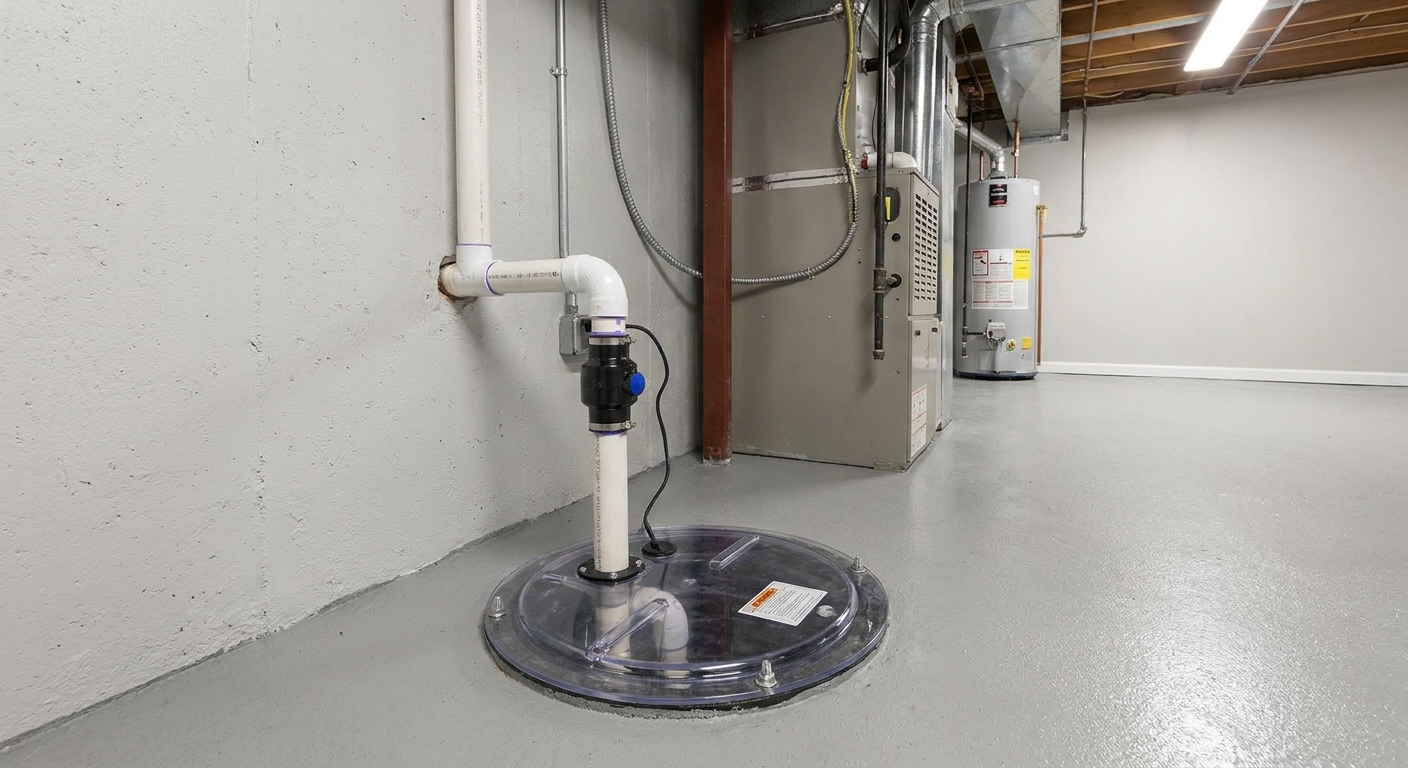
- Handle water entry first (leaks, seepage, puddling). If you need drains or a sump, do it before finishing. See Interior French drains and sump pumps before basement finishing.
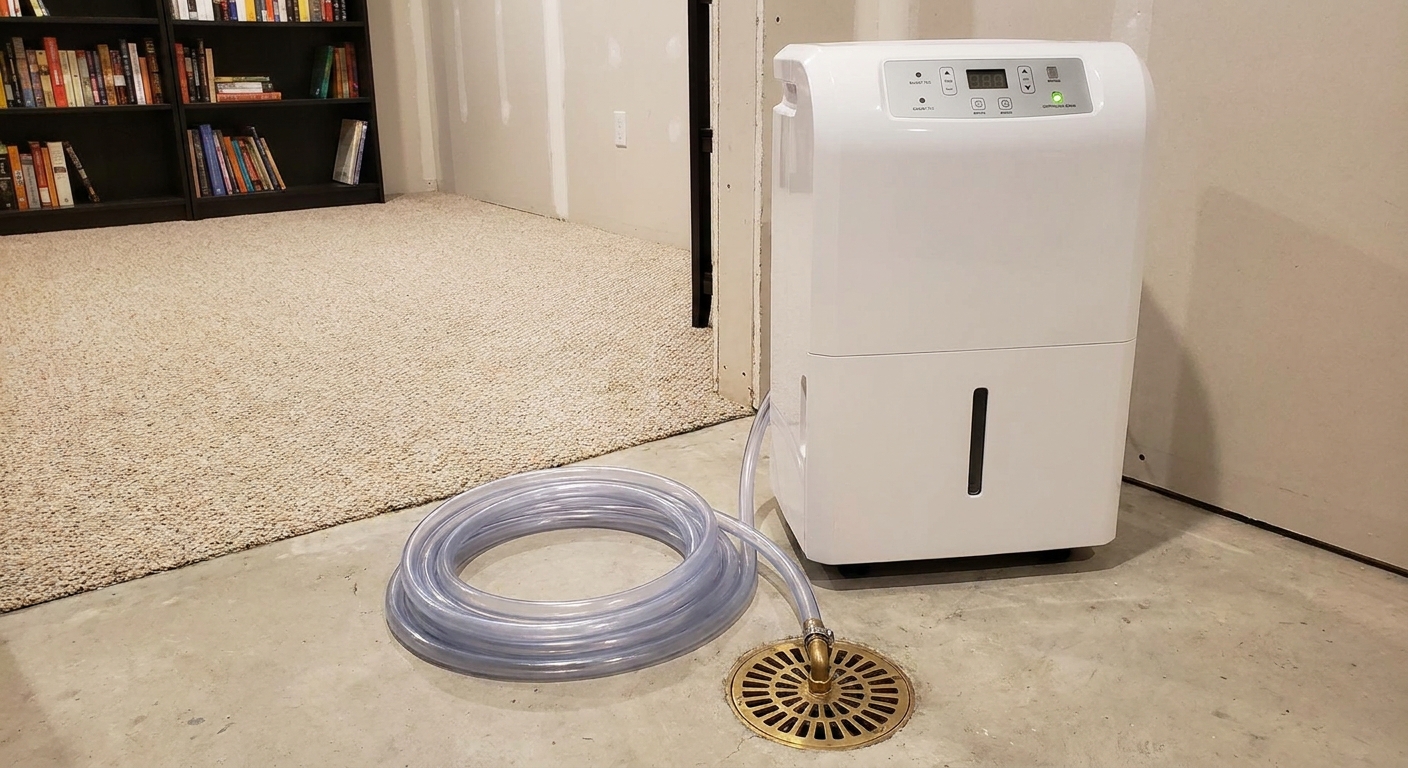
- Dial in humidity control. A properly sized dehumidifier and good air movement matter more than most people think. See Basement dehumidifier sizing and system options.
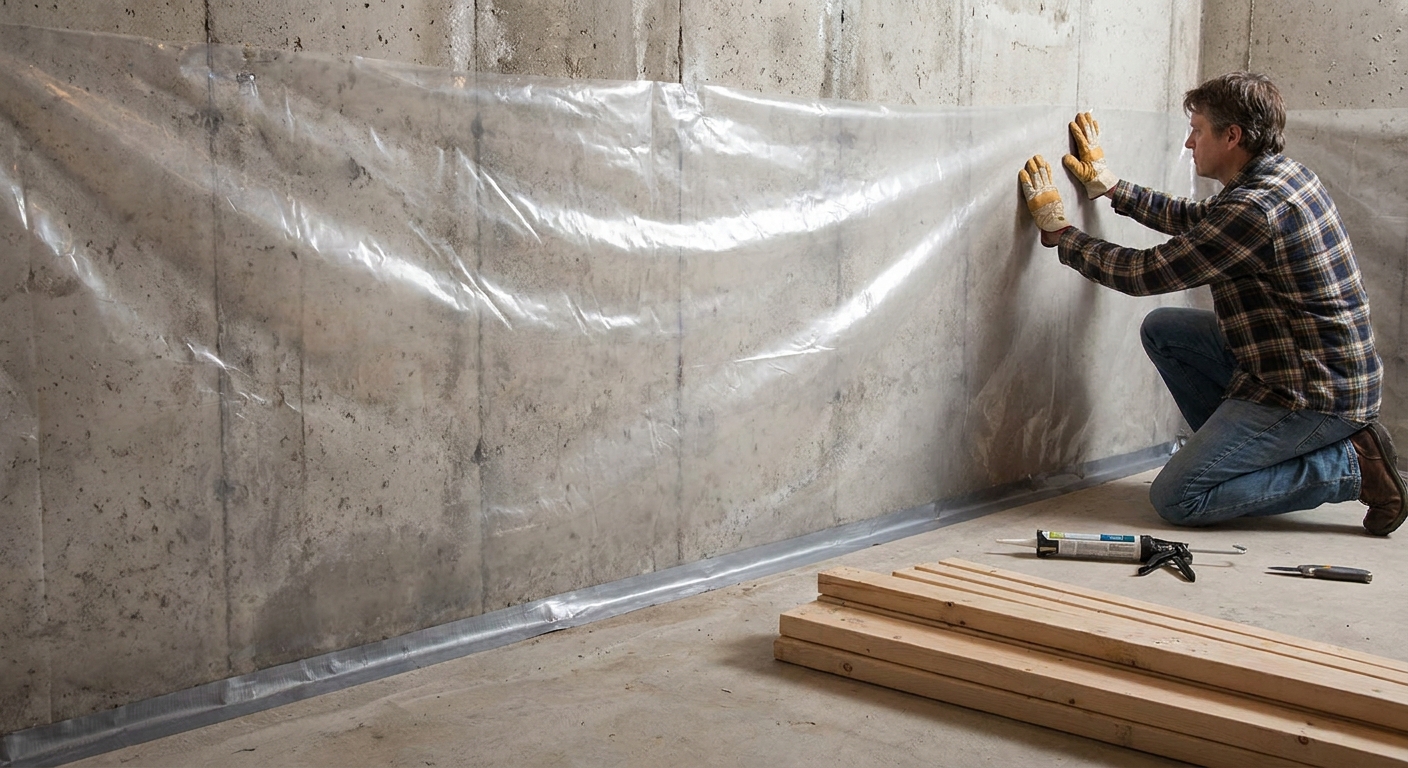
- Plan your wall assembly so it can tolerate basement conditions. See Rigid foam vs spray foam basement insulation for moisture control and How to install a vapor barrier before basement framing.
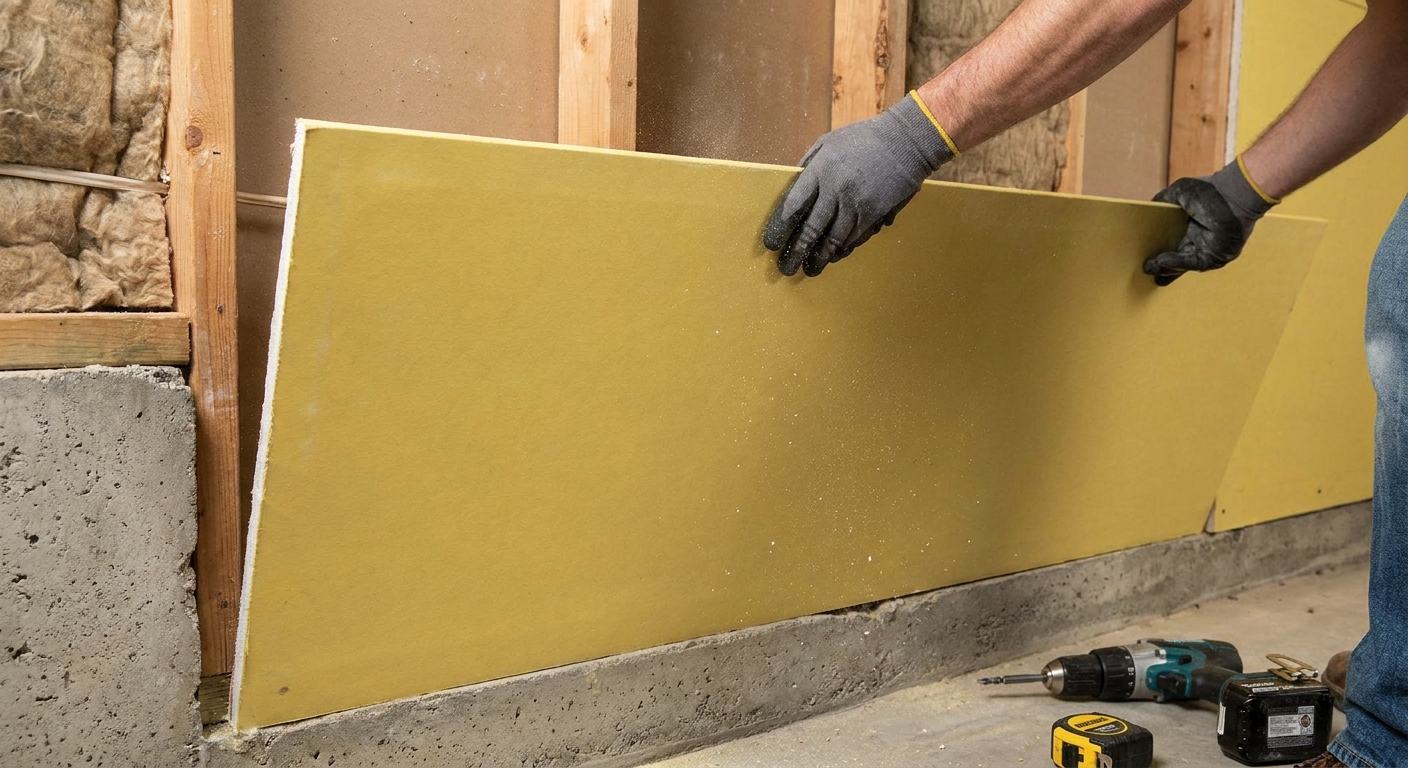
1) Paperless drywall (fiberglass-faced gypsum)
If you remember one upgrade from this whole article, make it this one. Traditional drywall has a paper face, and paper is basically a welcome mat for mold if it stays damp. Paperless drywall swaps the paper for a fiberglass mat, so there is far less for mold to feed on.
It is not mold-proof. If the surface stays wet and collects dust or grime, mold can still grow on that. The point is you are removing a major built-in food source.
Where it makes the biggest difference
- Basement bathrooms, laundry areas, and wet bar walls
- Cooler foundation walls with higher condensation risk
- Any room where you have had a musty smell in the past
My install notes
- It cuts and hangs similar to regular drywall, but the surface can feel a bit different when finishing. Follow the manufacturer’s mud and primer recommendations.
- Some brands can be a little itchy at the cut edges. Gloves, long sleeves, and a vacuum instead of a dry brush cleanup make the day nicer.
- Do not use it to cover up an existing moisture problem. Fix the moisture first, then close the wall.
If you are mapping out a full materials list, my framing and drywall calculator walkthrough can help: Calculate materials for basement framing and drywall.
2) Cement board in wet zones
In a basement shower or tub surround, I like cement board because it is inorganic and dimensionally stable when it gets damp. It is not the only option, but it is a proven one. The key is to pair it with a real waterproofing strategy, not just water-resistant board.
Best uses
- Shower walls and ceilings where steam is heavy
- Behind tile in a basement bathroom
- Utility sink backsplash that regularly gets splashed
Watch-outs
- Cement board is not a vapor barrier or a waterproof membrane by itself. Follow a system approach.
- Use the right fasteners and alkali-resistant mesh tape at seams.
3) Foam insulation that does not soak up water
Basement wall insulation is where a lot of mold stories start. The wrong insulation in the wrong place can trap moisture against cool concrete and keep it there.
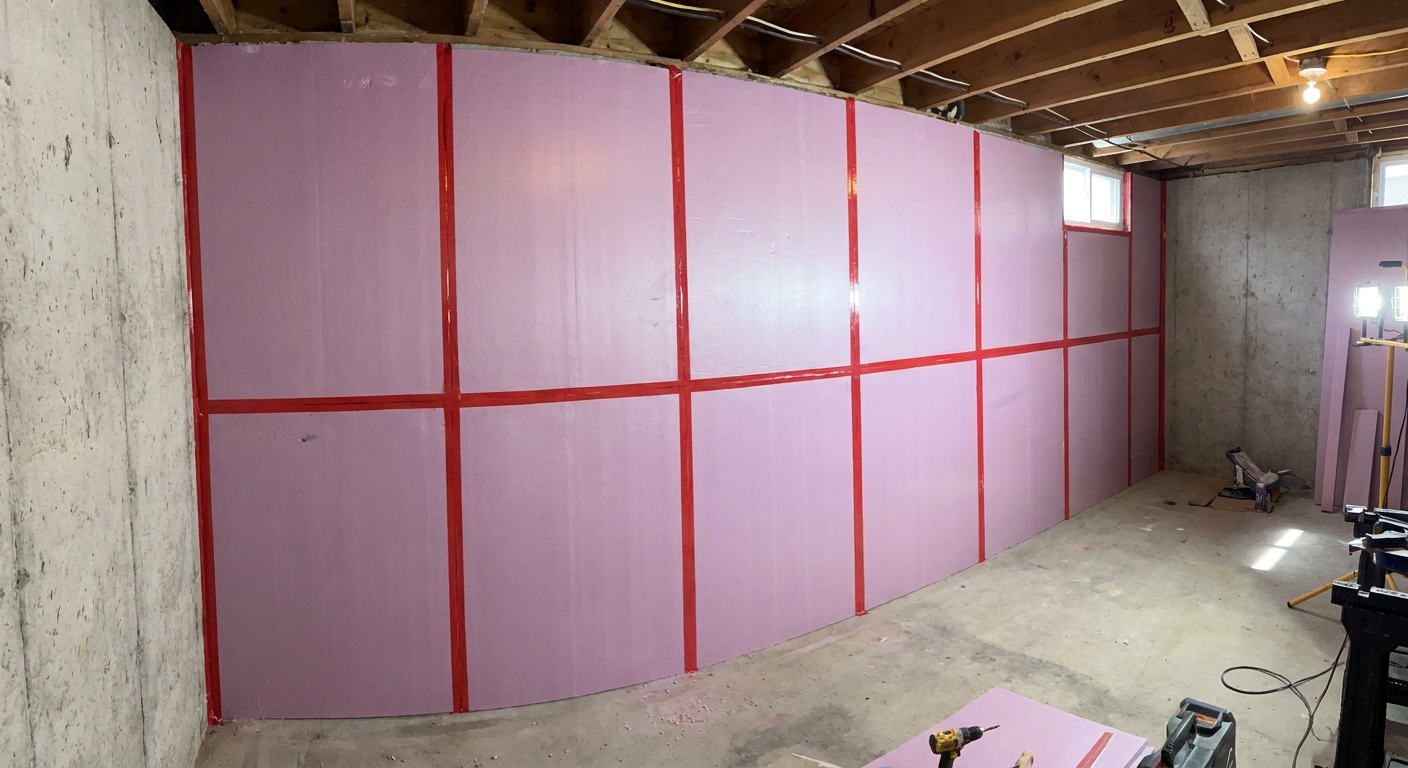
For basements, I prefer insulation approaches that do not soak up water and that limit humid indoor air from reaching cold surfaces. Two common routes are:
- Rigid foam board against the foundation wall, then framing inboard of it
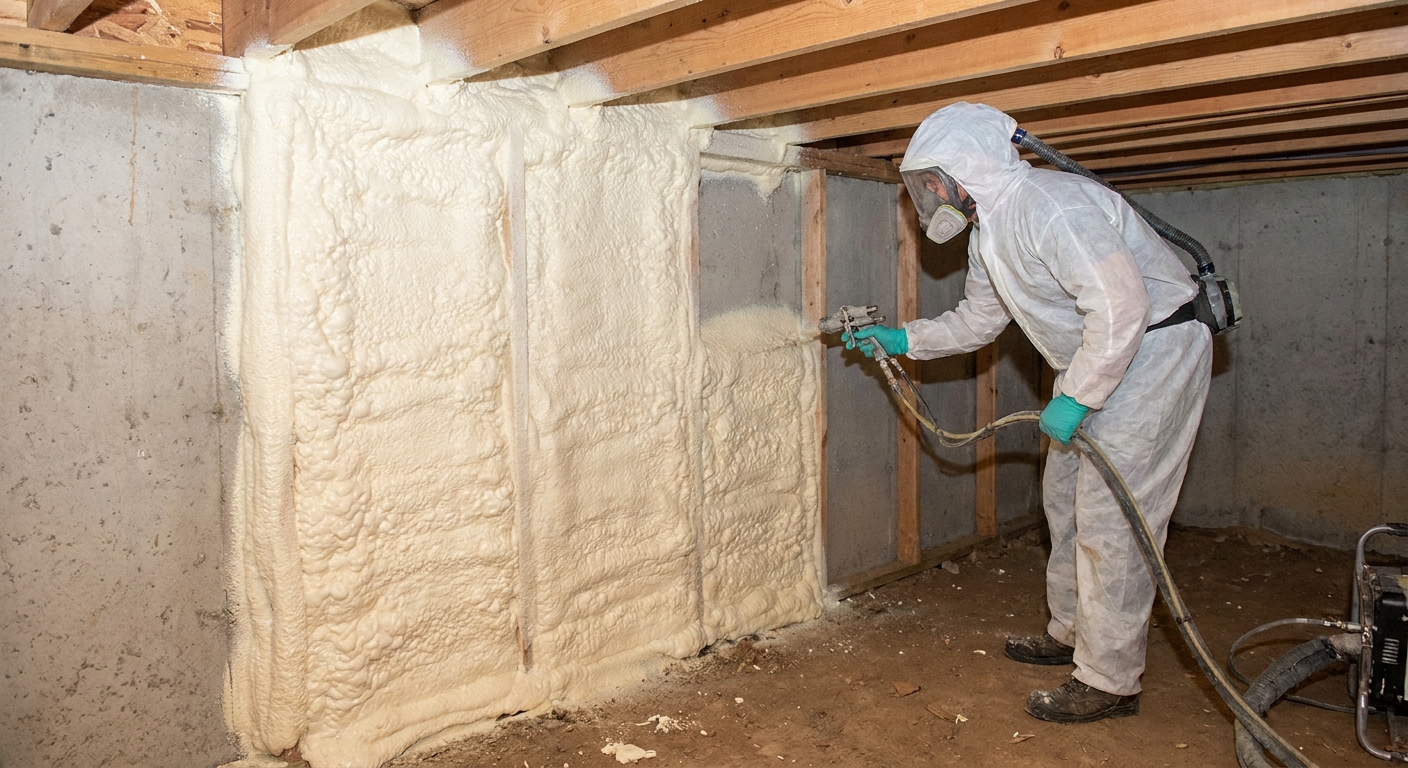
- Closed-cell spray foam on the foundation wall and rim joist areas (in many cases)
The right choice depends on your climate, wall conditions, and how much space you can give up. Local code and local pest rules matter too. Things like ignition barriers, vapor control requirements, and termite inspection gaps can change what is allowed and what details you need.
I break it down here: Rigid foam vs spray foam basement insulation for moisture control.
4) Pressure-treated bottom plates and a capillary break
This is one of those basement details you never see, but you feel it later when things stay cleaner. Where wood meets concrete, I like to build in some forgiveness.
What I use and why
- Pressure-treated bottom plates (where allowed by code) help reduce the chance that minor slab moisture turns into rot and musty framing.
- A capillary break under the bottom plate (like a sill gasket or foam strip) helps keep concrete moisture from wicking into the wall.
- Keep untreated lumber off the slab whenever you can, especially in exterior wall runs.
This is also why I am cautious about fiberglass batts directly against concrete. If you want batts in a basement wall, I prefer them only after you have a continuous foam layer against the foundation and the details are handled correctly.
5) Mold-resistant caulk and sealants (kitchen and bath rated)
This one is less glamorous than drywall or flooring, but it matters: use the right caulk where moisture and temperature swings are normal. Good sealant choices reduce the chances of tiny gaps becoming long-term damp pockets.
Even the good stuff is not a forever solution. The anti-microbial additives can lose punch over time, so I treat caulk as gap control, not mold prevention.
Where I use it
- Along the top edge of baseboards in bathrooms and laundry rooms (selectively)
- Around shower trim, plumbing penetrations, and backsplash edges
- At masonry-to-wood transitions where air leaks can move humid air
A tip that prevents ugly failures
Caulk is only as good as the prep. Surfaces need to be clean and dry. If the area is even slightly damp all the time, the caulk line will discolor or let go eventually. That is your clue you still have a moisture problem.
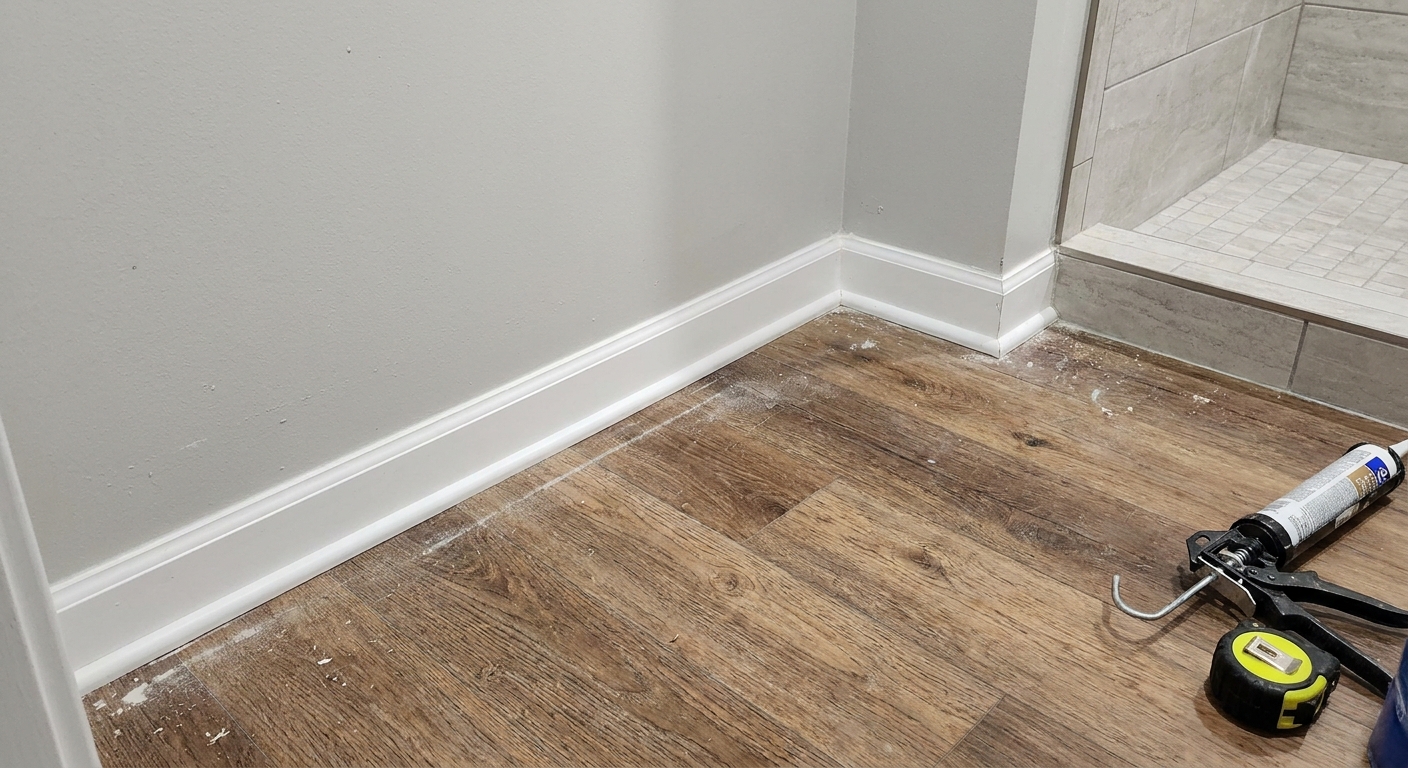
6) PVC or composite baseboards and trim
Wood and MDF trim can look perfect for a year, then start swelling, softening, or spotting when basement humidity spikes. In areas that are even mildly risky, I like PVC trim because it is inorganic and will not rot.
Smart places to go PVC
- Basement bathrooms
- Utility rooms and mechanical rooms
- Exterior door thresholds that might see wet boots or snow melt
- Any wall you worry could get a small plumbing leak someday
Finish tips
- PVC expands and contracts more than wood. Leave proper gaps and follow the fastening guidance.
- Use a paint rated for PVC if you plan to paint it.
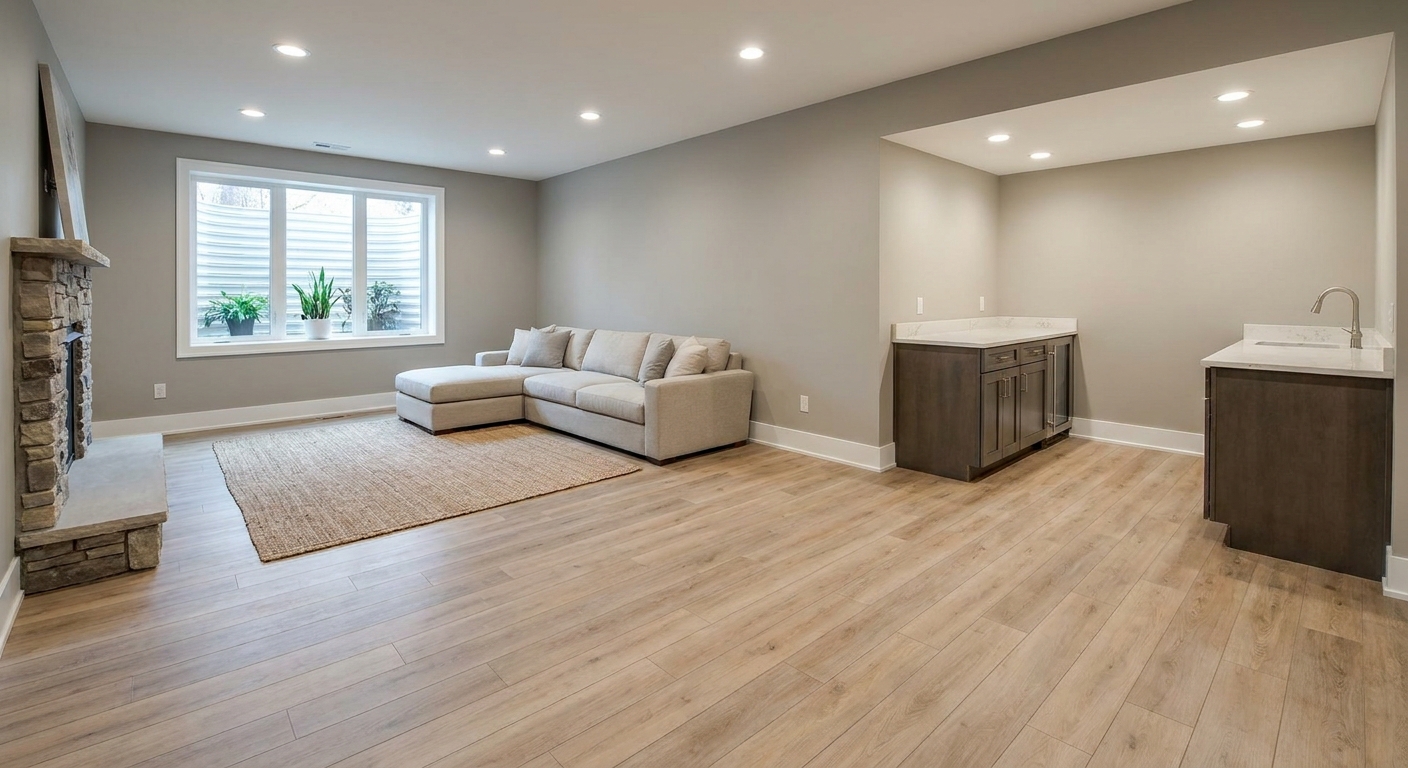
7) Luxury vinyl plank or tile
Flooring is one of the most expensive redo items in a basement. If you have ever had a small leak, a backed-up floor drain, or even just seasonal humidity swings, you know why I lean toward resilient, water-tolerant floors downstairs.
Luxury vinyl plank (LVP) and luxury vinyl tile (LVT) are popular for a reason: the material itself does not feed mold, and most products handle water exposure far better than carpet or traditional laminate.
One reminder I repeat a lot: a waterproof surface is not the same thing as a waterproof system. If moisture is coming through the slab, you can still get odor and growth on debris under or around the floor.
Basement flooring mistakes I see a lot
- Installing over an uneven slab without proper prep and then fighting gaps and soft spots
- Skipping the manufacturer’s required underlayment or moisture requirements
- Assuming waterproof means install it over a wet slab (it does not)
If you are comparing basement-friendly options, start here: Flooring options.
Tile and grout choices that stay cleaner
Tile itself does not support mold growth, but what is behind the tile and in the joints can. For basement projects that include tile floors, tub surrounds, or backsplashes, use inorganic backer boards and pay attention to grout and sealers.
What I prefer
- Inorganic backer under tile instead of paper-faced products
- Grout that resists absorption, especially in showers. Epoxy grout is a common example people upgrade to for this reason.
- Proper transitions so water does not migrate under adjacent flooring
Reality check
No grout choice makes up for a basement that stays humid. If your relative humidity is routinely high, deal with that first. You will get longer life out of every finish, not just tile.
Materials that sound mold-resistant but still fail
A few products get marketed as mold-resistant, and some truly are better than the default. But I have learned to ask one question before I trust any label: Does it remove the food source, or does it just try to fight mold chemically?
- Mold-resistant drywall with paper facing: better than standard drywall, but it still has paper.
- Water-resistant paint over damp walls: it can hide symptoms while moisture keeps working behind it.
- Carpet in below-grade rooms: it is not always doomed, but it is rarely the low-stress choice in a basement.
If you are in the planning stage, it helps to know where people overspend and where upgrades are worth it. See Where to splurge and where to save on a basement renovation.
Quick checklist
- Paperless drywall for most basement walls, especially on foundation walls
- Cement board or equivalent inorganic board in shower and high-splash zones
- Rigid foam or closed-cell spray foam strategies that do not trap moisture against concrete
- Pressure-treated bottom plates and a capillary break under plates on the slab
- Kitchen and bath rated caulk where water or humidity is routine
- PVC or composite trim in bathrooms, utility rooms, and other risky spots
- LVP or other water-tolerant flooring, paired with a dry slab and proper prep
- Inorganic tile backer and lower-absorption grout options (like epoxy) in tiled areas
FAQ
Is mold-resistant drywall worth it in a basement?
In my experience, yes, especially on foundation walls and in any room where humidity could spike. It is one of the simplest ways to remove a major food source (paper) from your walls. Just keep in mind it is still not mold-proof if the wall stays wet or dirty.
Can I use green board in a basement?
You can, but I treat it as a middle option, not a best option. If you are trying to build a basement that stays fresh for the long haul, paperless drywall is usually a better bet because it removes paper from the equation.
What is the most mold-resistant baseboard material?
PVC is hard to beat for basements because it is inorganic and will not swell or rot like MDF or finger-jointed wood can when exposed to moisture.
Do mold-resistant materials eliminate the need for a dehumidifier?
No. Mold-resistant materials are damage control. Humidity control is prevention. For most basements that are actively lived in, I still recommend planning for dehumidification. See Basement dehumidifier sizing and system options.