
The first time I finished a basement, I obsessed over insulation, flooring, and lighting… and then I hung the cheapest hollow core doors I could find. Two weeks later, I could hear every word of a movie night from the basement hallway, and the “guest room” door felt like closing a cereal box. Doors seem like a small finish detail, but in a basement they do a lot of heavy lifting: sound control, privacy, and staying stable through humidity swings.
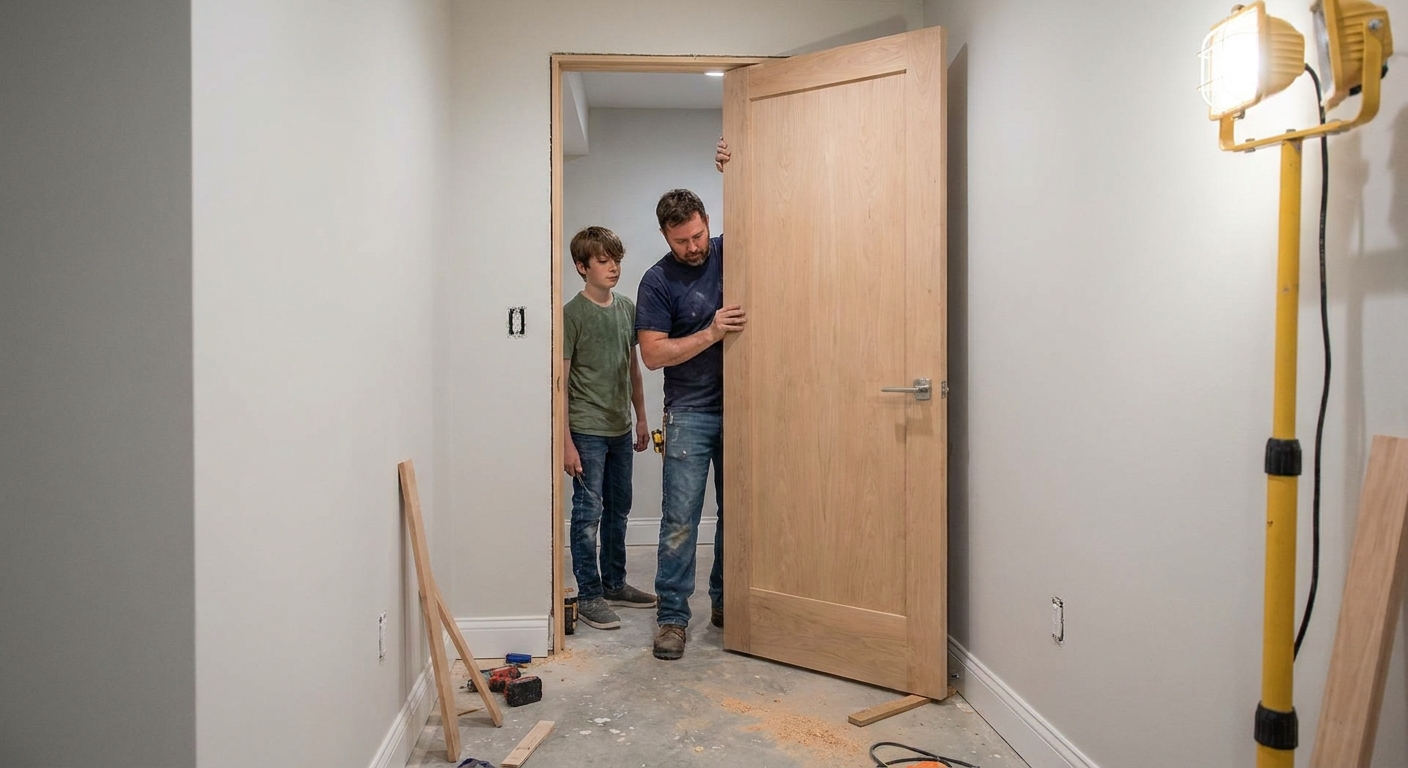
If you are choosing between solid core and hollow core for your basement, here is how I’d weigh cost, sound, and moisture resistance, plus where each type makes the most sense.
Solid core vs. hollow core at a glance
Most “interior doors” you see at the big box store fall into two buckets.
- Hollow core: Thin wood or molded skin over a lightweight honeycomb (often cardboard). Light, inexpensive, and common in new construction.
- Solid core: A denser engineered core (composite, MDF, particleboard, or stave core depending on the brand) with veneer or molded skin. Not usually “solid wood,” but dramatically heavier and stiffer than hollow core.
For basements, the decision is rarely about “quality vibes.” It is about sound transmission, door stability, and how much money you want to spend where it counts.
Cost: where the money goes
On paper, hollow core wins the sticker price battle. In practice, basements tend to magnify the secondary costs you only notice after living with the space.
What costs more with solid core
- The slab itself: Solid core door slabs cost more than hollow core slabs in the same style.
- Hinges and hardware: Heavier doors feel best with quality hinges, and sometimes an extra hinge on taller doors.
- Labor and patience: A heavier door is fussier to hang, especially if your framing is not perfectly square.
What can cost you later with hollow core
- Upgrading after the fact: Swapping a door is not hard, but repainting and redoing latch alignment gets old fast.
- “Why is this room so loud?” fixes: People spend money on weatherstripping, door sweeps, and white noise machines because the door can act like a drum.
If you are trying to keep the budget under control, I would rather see you mix door types strategically than install hollow core everywhere and regret it. This idea pairs well with the “spend where it matters” approach in Where to Splurge and Where to Save on a Basement Renovation.
Sound: where solid core helps
Basement sound problems are usually not subtle. Concrete and drywall surfaces can make a space feel “live,” open stairwells can carry noise, and basement ceiling assemblies often have ducts, soffits, and can lights that limit how much sound control you can pack in. Soft finishes and a well-built ceiling change the result a lot, but the door still matters because it is a big opening in an otherwise solid wall.
A door is one of the easiest sound upgrades you can buy, because you are sealing a big hole in the wall.
How much better is solid core for sound?
In plain language: a solid core door is typically noticeably quieter. The extra mass reduces vibration and blocks more mid and high frequency noise like voices and TV. Hollow core doors can leak more sound and resonate more, especially if the fit is loose.
One important caveat: gaps and air leaks can matter as much as the slab. Even a heavy door will disappoint if it is installed out of plumb, has a big undercut, or never pulls tight against the stop.
My basement sound priority list
- Highest priority for solid core: bedroom doors, home theater doors, office doors (especially if you take calls), doors to mechanical rooms if the equipment is loud.
- Usually fine with hollow core: storage rooms, utility closets, under-stair closets, unfinished areas you just want closed off.
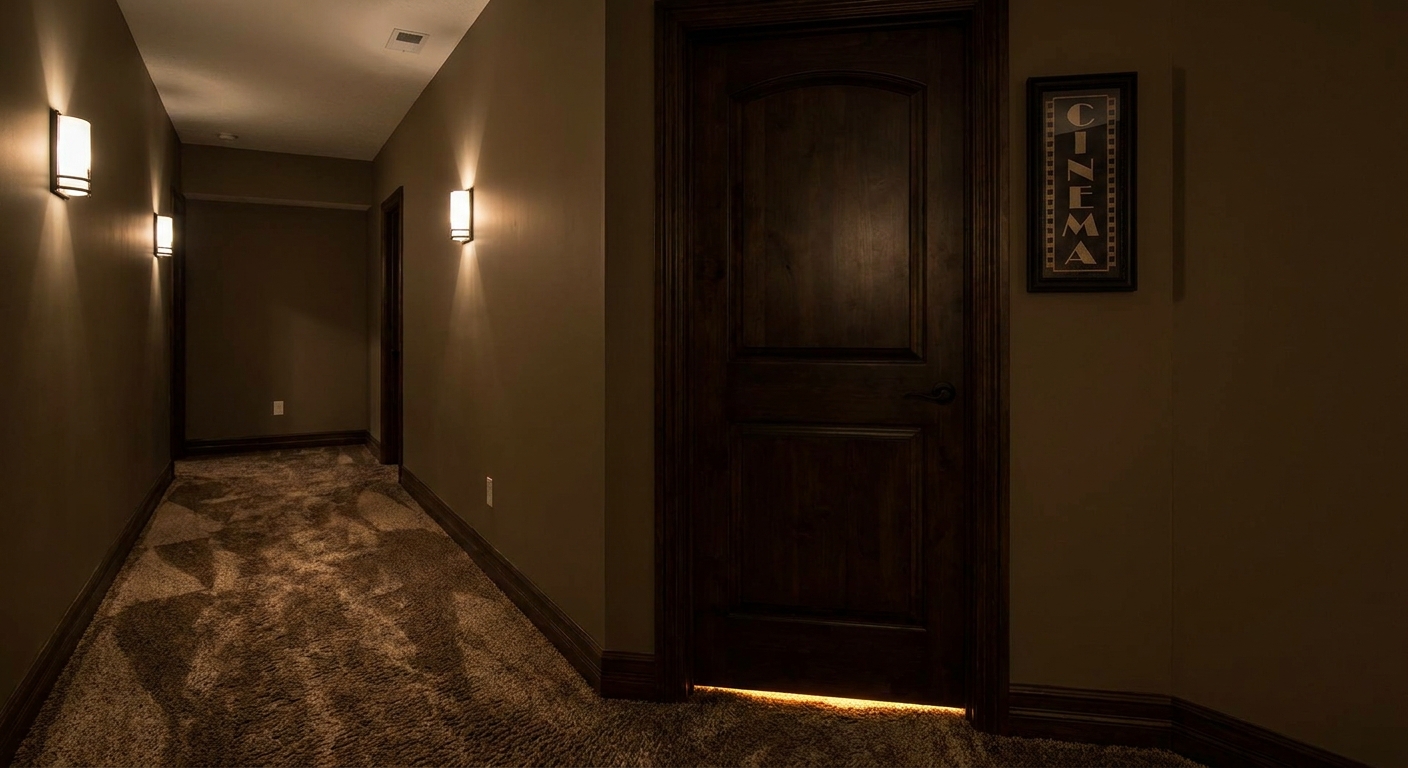
If you are building a theater or trying to keep bedrooms quiet, a solid core door is step one. Step two is sealing gaps, because sound loves air leaks.
Sound control details that matter
- Perimeter gaps: A 1/8 inch gap around a door is normal, but big uneven gaps leak sound. Get the jamb set plumb and the door adjusted so the reveal is consistent.
- Door sweep or threshold: The under-door gap is often the biggest sound leak. A simple sweep makes a real difference.
- Perimeter gasketing (optional): If you want to push sound control further (office or theater), adhesive-backed compression weatherstripping on the stop can help the door seal tighter without feeling sticky.
- Automatic door bottom (optional): These drop a seal when the door closes. They cost more than a sweep but can seal better with less drag.
- Latch quality: A door that does not pull tight against the stop leaks more sound.
For a full basement sound strategy, especially ceiling work, see Soundproofing a Basement Ceiling With Resilient Channel and Clips. Even the best door cannot overcome a ceiling that is wide open to the first floor.
Moisture: what basements do to doors
Basements are tougher on doors than above-grade rooms because humidity swings are more common, especially in summer. That is why I put doors in the same mental category as trim and flooring: they need to tolerate moisture, not just look good.
Solid core in humidity
- Pro: The added mass and stiffness usually makes the door feel stable and less flimsy.
- Watch-out: Core material matters. MDF-based solid cores, in particular, can swell badly if they get wet at the bottom edge or sit in a damp threshold area. Any solid core can swell a bit if the basement runs humid and the door edges are not properly sealed.
Hollow core in humidity
- Pro: A hollow core door can hold up fine in a conditioned basement if the skins and edges stay sealed and the door is not taking hits.
- Watch-out: Many hollow core doors have thin skins and vulnerable bottom rails. Once the skin gets dinged or the bottom edge gets damp, they can delaminate and look rough fast.
The real moisture issue is the basement
If your basement is humid enough to warp interior doors, you have a comfort problem and likely a long-term durability problem for flooring, trim, and even framing. Before you spend extra money on doors hoping they will “handle it,” get your humidity under control.
- Start by confirming you are not dealing with bulk water. These articles help: Exterior Moisture Control: Yard Grade and Downspouts and Seal Foundation Cracks With Injection Kits.
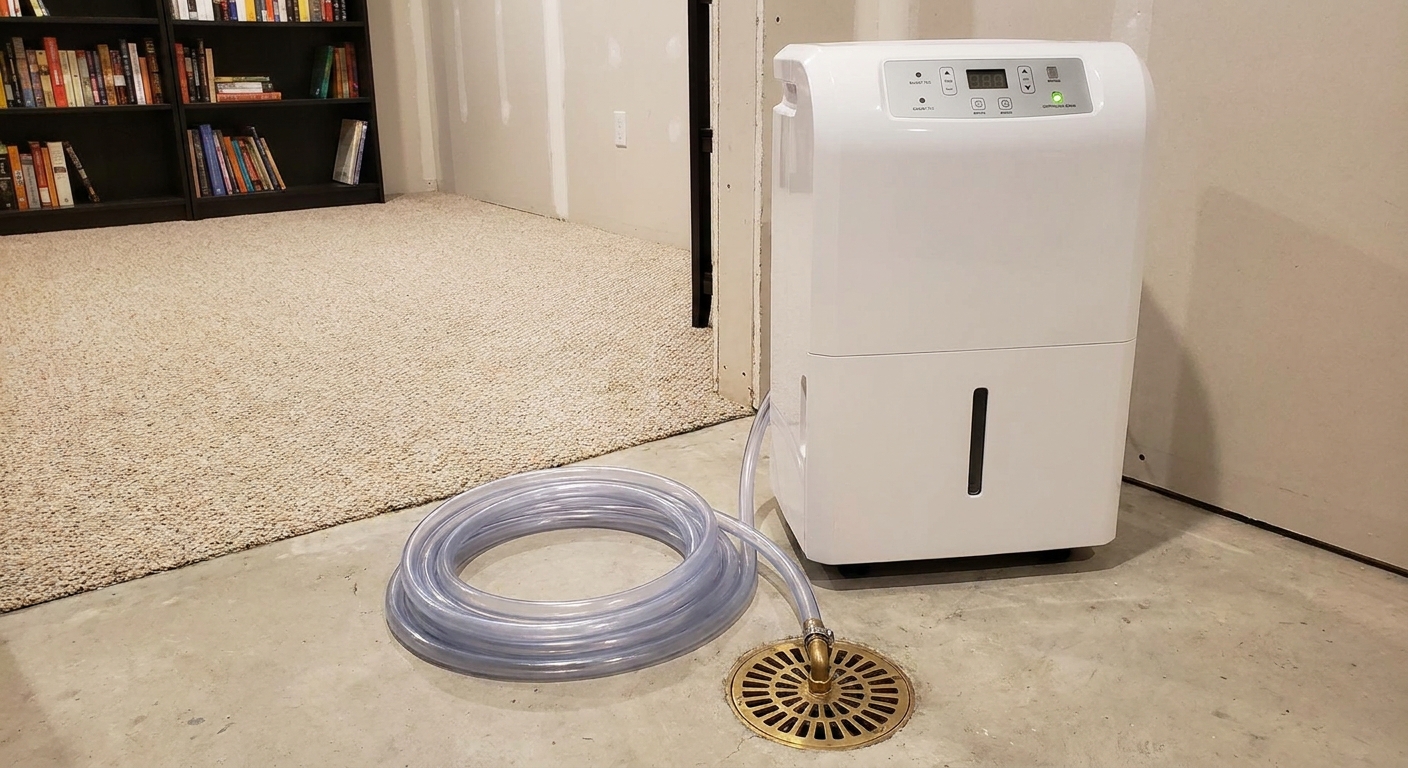
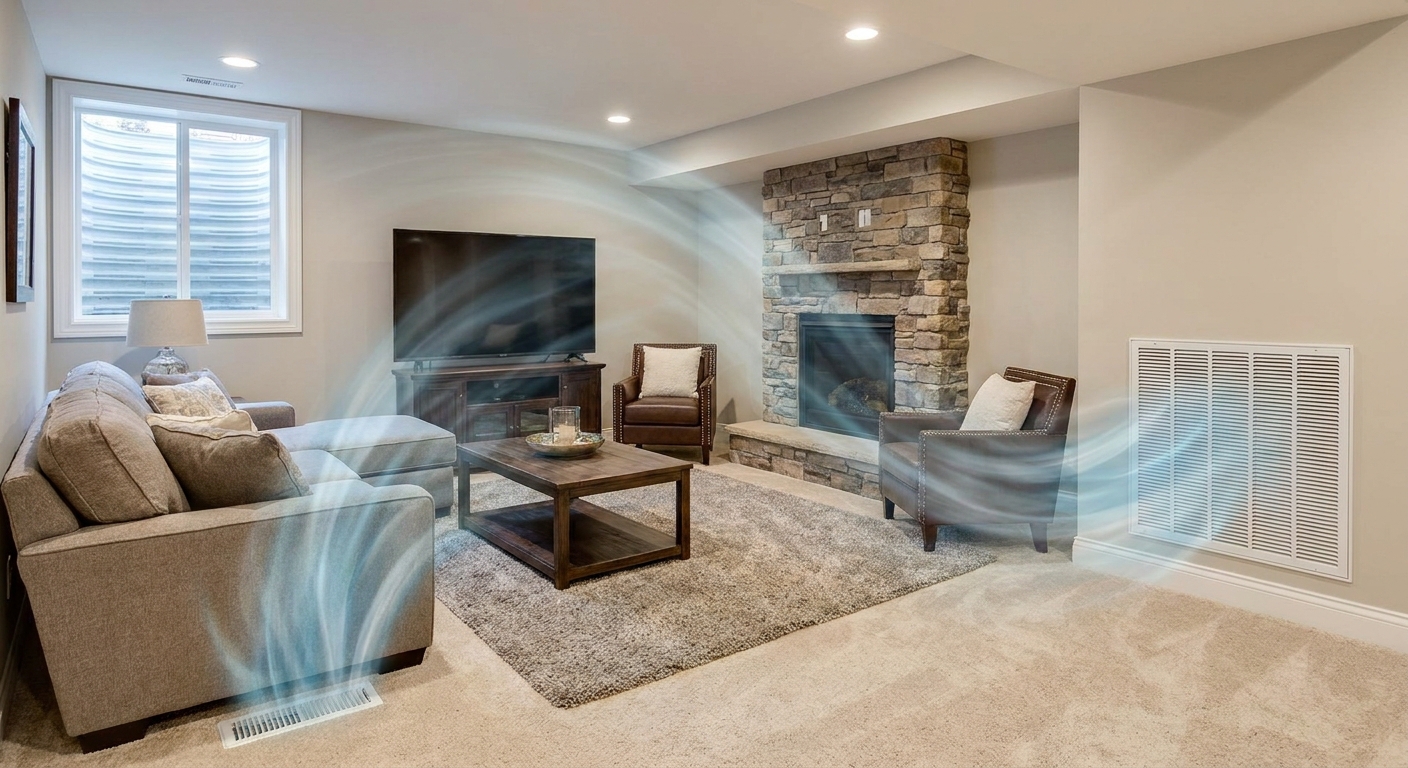
- Then dial in humidity: Basement Dehumidifier Sizing and System Options and Basement Ventilation Strategies for Fresh, Odor-Free Air.
Once the basement stays in a healthy humidity range, both door types behave better. You also stop feeding that musty smell that loves to cling to fabrics and carpet padding.
What to use in each room
Bedrooms
Pick solid core. Bedrooms are where privacy matters most, and basement bedrooms tend to sit near entertainment areas. A solid core door plus a sweep gives you a much more “real bedroom” feel.
Home theater or media room
Pick solid core. Also consider:
- Use a door sweep (or an automatic door bottom) to control sound leaks at the bottom.
- Avoid big gaps around the slab by setting the jamb carefully.
- Use a latch that pulls snug so the door closes tight against the stop.
Home office
Usually solid core. If your basement office is for occasional laptop work, hollow core can be acceptable. If you take calls or share walls with a TV space, you will appreciate solid core every weekday.
Bathroom
Either can work if the basement is conditioned and you run an exhaust fan. If the bathroom will be used daily and you want a sturdier, quieter feel, I lean solid core. If the bathroom is mostly occasional guest use, hollow core is fine.
Mechanical room or utility area
Depends on noise and code. If your furnace, radon fan, or sump pump is loud, a solid core door can noticeably reduce the mechanical hum in the finished space. Also, if this door is part of a required fire or smoke separation in your area, do not guess. Check local requirements and use a labeled assembly when needed.
Storage and closets
Hollow core is fine. I would rather spend that money on better lighting or flooring transitions.
Styles and builds that hold up
Basement doors are often exposed to kids, moving furniture, gym equipment, and the occasional bump while carrying drywall. Durability matters.
Paint-grade molded doors
These are common, affordable, and look great painted. They come in both hollow and solid core. If you want one simple rule: choose the style you like, then upgrade the core where you need sound control.
Wood veneer doors
Beautiful, but more sensitive to dings and moisture swings. If your basement is consistently dry and conditioned, they can be fine. If your basement still runs muggy in summer, I would keep it paint-grade.
Prehung vs slab
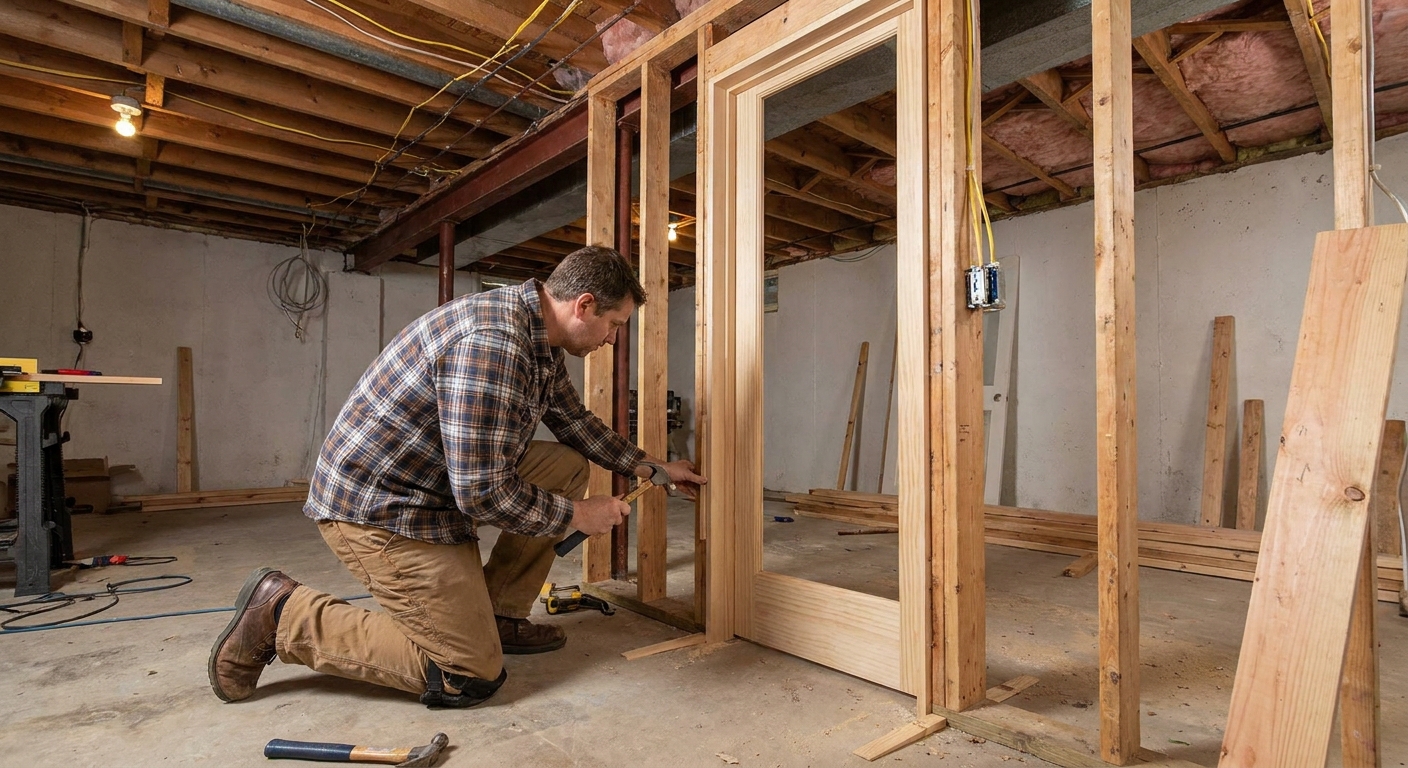
- Prehung: Easiest path to consistent gaps and a smooth latch, especially for DIYers. Great when framing is new.
- Slab only: Works when you are reusing jambs, but hinge mortises and latch placement need to match.
Prehung doors can be a sound upgrade only if they are installed plumb, square, and shimmed well. A heavy solid core slab that rubs, binds, or never latches tight is not doing you any favors.
If your basement walls are new framing, prehung doors save time and frustration. If you are in the planning phase, it also helps to map door swings early. A basement floor plan that is tight around stairs and soffits can get awkward fast. If you have not sketched it yet, How to Design a Basement Floor Plan is a good starting point.
Quick buying checklist
- If it needs to be quiet: solid core, then seal the gaps.
- If it is just a closet: hollow core is usually fine.
- If your basement is still humid: fix humidity first, then buy doors.
- Seal the door edges: prime and paint all six sides on paint-grade doors, especially the top and bottom edges, and follow the manufacturer’s finishing instructions so you do not create warranty problems.
- Plan for sound leaks: add a sweep on theater and bedroom doors, and keep perimeter gaps consistent.
Doors are one of those purchases you touch every day. In a basement, the upgrade to solid core is not about being fancy. It is about making the new space feel finished, private, and calm. Spend it where you will notice it, and save it where you will not.