
The first basement I finished had the classic combo: cool concrete underfoot and that faint musty smell that shows up every time it rains. I wanted a wood look without gambling the whole project on “it should be fine down here.” That is the real LVP vs. laminate question in basements. It is not which one looks more like oak. It is which one shrugs off moisture, stays flat, and still looks good after a few years of kids, pets, and hauling storage totes across the room.
Below is how I compare luxury vinyl plank (LVP) and laminate specifically for below-grade spaces, including what actually fails, what holds up, and what I would put in my own basement depending on the situation.
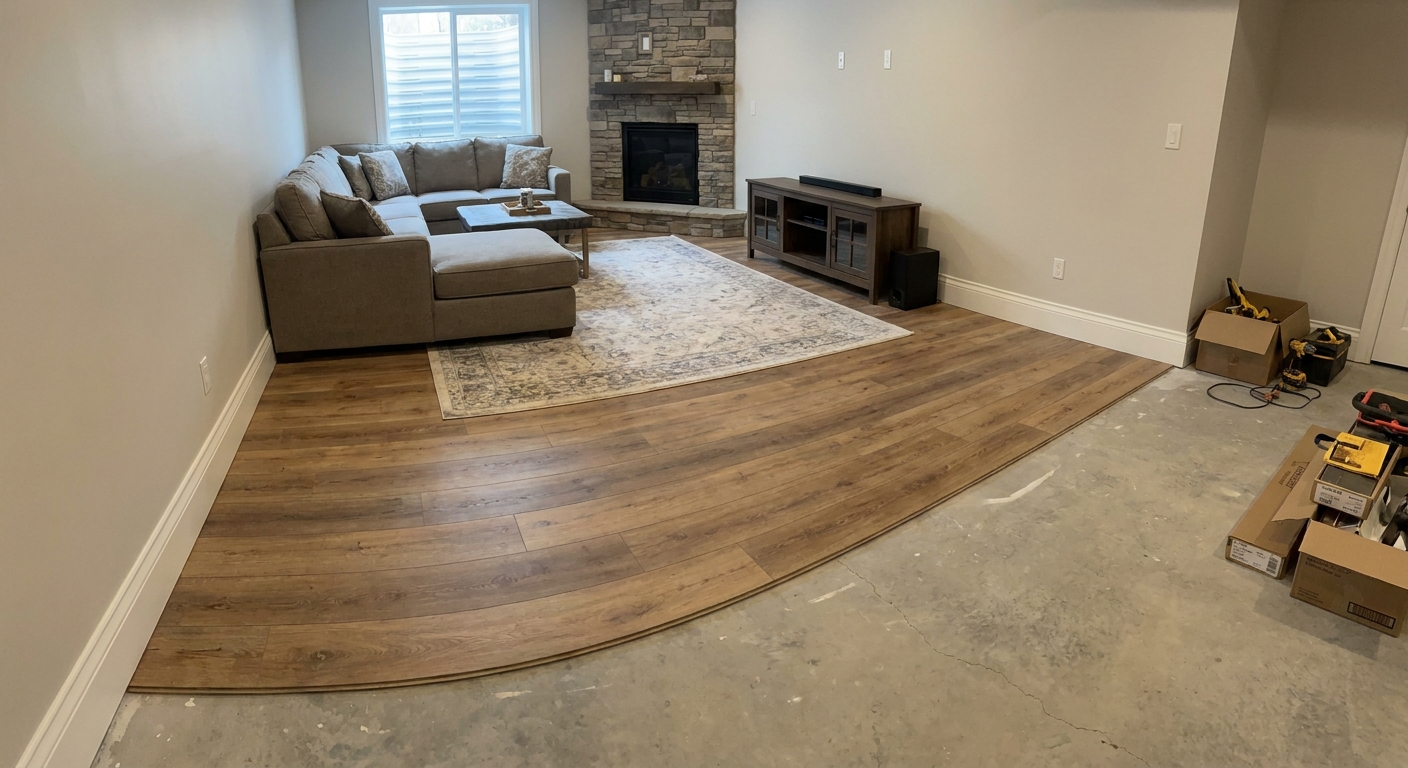
Quick verdict for basements
- Most basements, most homeowners: pick a quality LVP with a waterproof core and a tight locking system.
- Very dry basement, want a harder feel underfoot and crisp visuals: laminate can work, but only if you manage vapor and small water events realistically.
- Basement with any history of dampness, sump, drain, or “we run a dehumidifier all summer”: LVP is the safer bet.
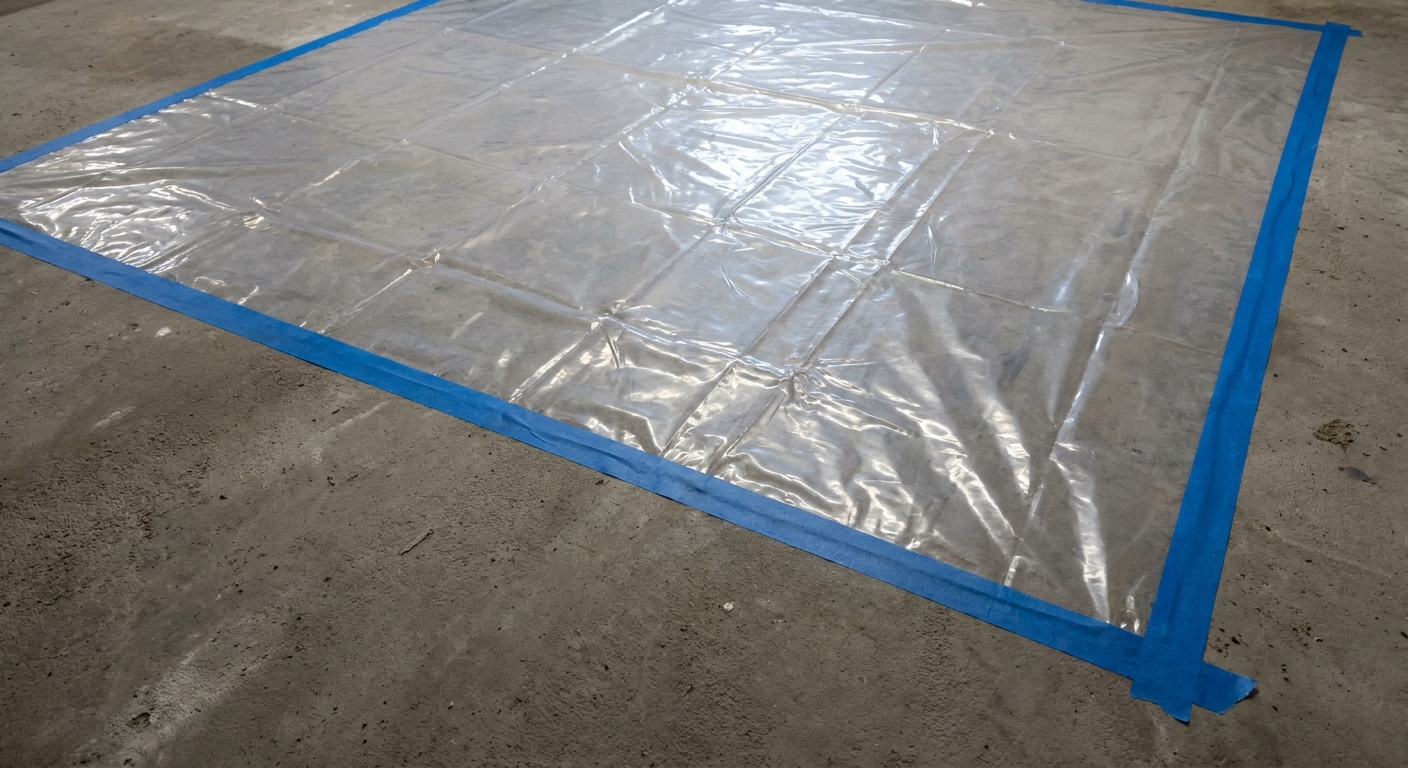
If you are still at the stage where you are not sure your slab is dry enough for any floating floor, pause here and read Test a Basement Slab for Moisture Emissions. It can save you from installing the wrong product for the conditions.
Moisture: where LVP wins and where laminate can still fail
What “waterproof” actually means in a basement
Manufacturers use terms like water-resistant and waterproof loosely, so think in basement terms:
- Vapor drive: moisture moving up through the slab as invisible water vapor.
- Small events: wet boots, a drink spill, a damp mop, a minor dehumidifier overflow.
- Big events: a water heater leak, sump failure, sewer backup, or wall seepage after a storm.
LVP and moisture
Most modern LVP is PVC-based with either an SPC (stone plastic composite) or WPC (wood plastic composite) core. In practical basement terms, that means:
- The planks themselves do not swell like wood fiber products when exposed to water.
- Seams can still leak and water can still get trapped underneath, but the floor is far less likely to cup, puff, or permanently distort.
- Underlayment choices matter because you can still create a moldy layer if you trap moisture against an organic pad.
Laminate and moisture
Laminate is typically a printed wear layer over a dense fiberboard core (HDF). Some new laminates advertise water resistance or waterproof performance, usually by sealing edges and improving the core. In a basement, the weak points are still the same:
- Edges and joints: standing water that works into seams can swell the core and never fully recover.
- Vapor: moisture from below can slowly stress the core and joints over time if your vapor control is not right.
- One big water event can ruin a laminate floor even if it survives a few spills.
If you have had any seepage, efflorescence, or that “the slab feels clammy in July” vibe, prioritize moisture control before any flooring. Start with the outside and work in. I break down the basics in Exterior Moisture Control: Yard Grade and Downspouts and the broader approach in Moisture Control.
Durability and traffic: scratches, dents, and real-life basement abuse
Wear layer vs. abrasion rating
This is the part that surprises people: laminate often resists scratches better than many LVPs because the melamine wear surface can be extremely hard. LVP durability is usually about wear layer thickness (often measured in mil) plus the finish quality.
How they hold up to common basement conditions
- Kids and pets: Laminate tends to take claw scuffs and toy scrapes well, but if a spill sits at a seam, moisture can become the bigger enemy. LVP is more forgiving of the spill, but pick a quality wear layer if you have big dogs.
- Heavy furniture and gym gear: LVP with softer cores can dent under point loads (think treadmill feet or a sofa leg). Laminate is usually more dent resistant, especially if the subfloor is dead flat.
- Chairs and rolling use: Either can work with the right underlayment and proper flatness, but I prefer LVP for basement office spaces because one drink spill is not a crisis.
- Basement workshop zone: Neither is as bulletproof as a true shop floor, but LVP is easier to replace plank-by-plank if you gouge it.
The flatness trap
Both floors are floating systems and both hate uneven substrates. Basements are rarely perfect. If your slab has humps, low spots, or old patch areas, plan on some prep. A floor can “feel fine” for a month and then start clicking, separating, or sounding hollow if it was installed over dips and ridges.
Installation over basement subfloors: concrete, underlayment, and transitions
Installing directly over concrete
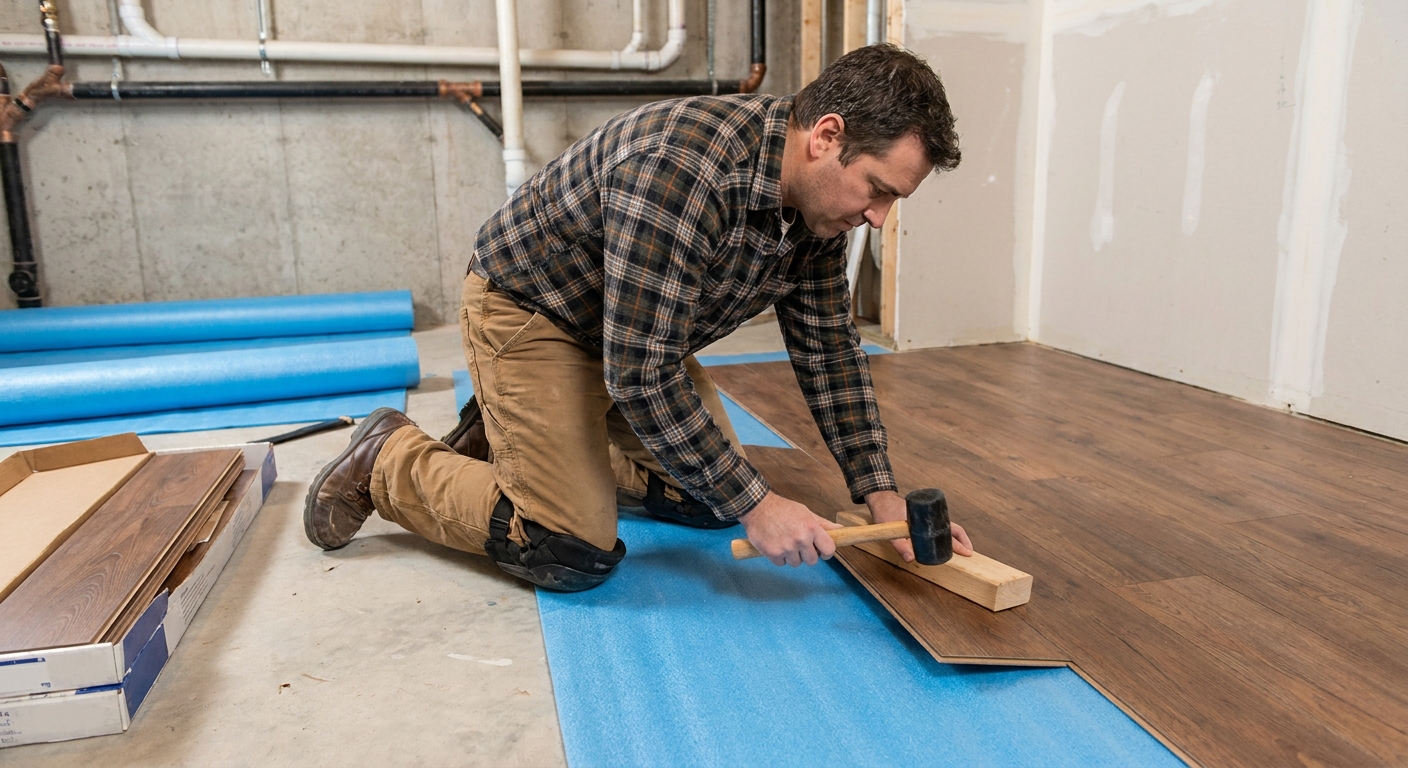
LVP: Many LVP products allow direct installation over concrete with the correct underlayment or attached pad. Even then, I treat vapor control seriously. I also pay close attention to manufacturer rules about slab moisture testing and flatness.
Laminate: Laminate nearly always wants a dedicated underlayment and a vapor barrier layer. In a basement, that vapor layer is not optional in my book. The risk is not just protecting the laminate, it is avoiding a damp sandwich that smells funky later.
Installing over a raised subfloor system
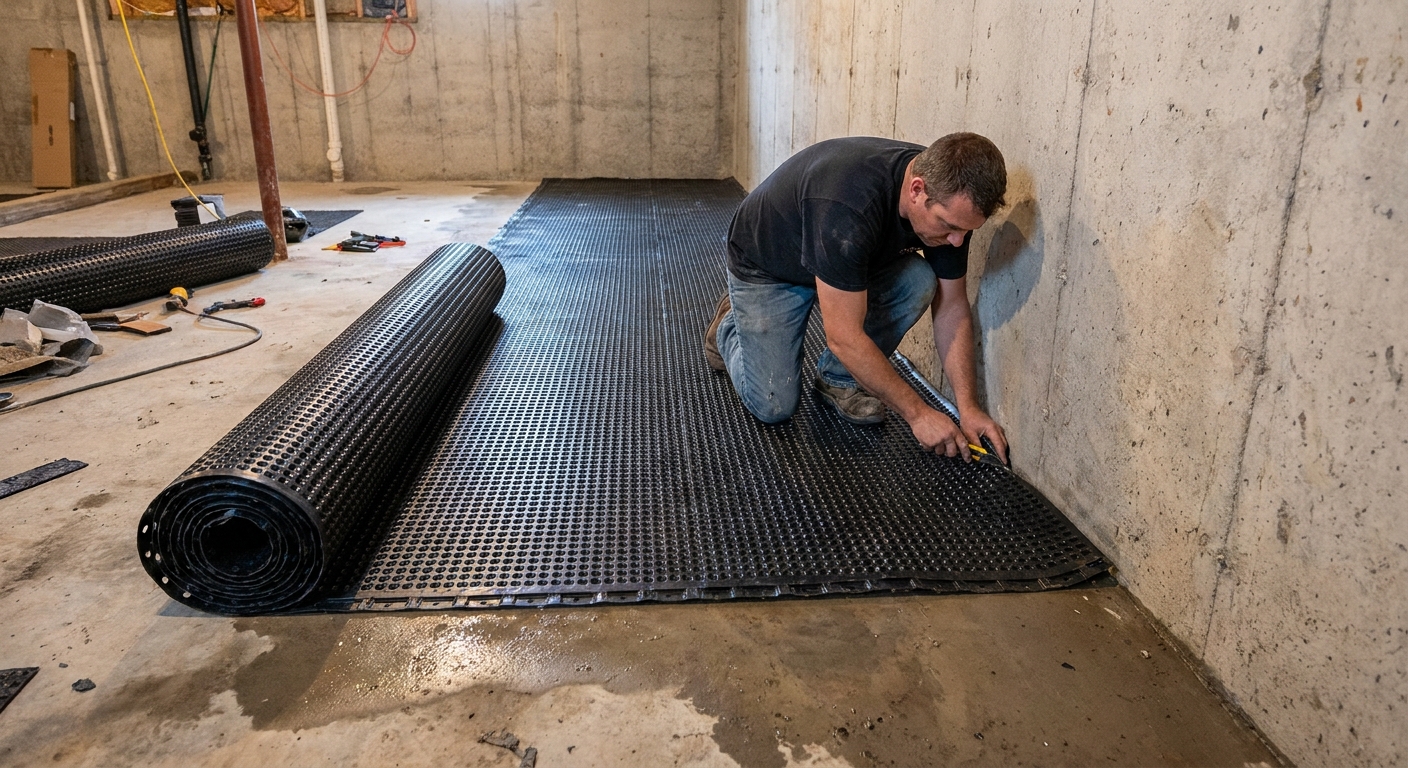
If your slab is cold or you want a more forgiving surface, a raised subfloor can be a game changer. I have a full breakdown here: Basement Subfloor Systems: Dimpled Mats vs. Interlocking OSB Panels.
General rule of thumb:
- LVP over subfloor panels: works well, but you still need flatness and proper expansion gaps.
- Laminate over subfloor panels: also works, but now you have more layers that can trap moisture if the basement humidity is high. Keep humidity controlled.
Click-lock friendliness
DIY-wise, both can be very approachable. The difference I feel in my hands:
- LVP: easier to cut (utility knife on many products), quieter to tap together, and usually more forgiving if you have to lift and re-lay a row.
- Laminate: cleaner edge cuts with a saw, but chips if you rush cuts. Some locking systems are finicky and do not love imperfect slab flatness.
Comfort, warmth, and sound: what it feels like down there
Warmth
Concrete is a heat sink. Neither laminate nor LVP magically fixes that, but your build-up matters:
- Best improvement: a proper subfloor system that creates a thermal break.
- Second best: a quality underlayment designed for below-grade use.
Sound
Basements can amplify footfall noise, especially with hard surfaces. LVP with an attached pad can be pleasantly quiet, but it depends on the product. Laminate can sound clicky or hollow if the slab is uneven or the underlayment is too stiff for the floor.
If your basement is also getting a finished ceiling, sound strategy matters overall. For ceiling sound control (footsteps from above), see Soundproofing a Basement Ceiling With Resilient Channel and Clips.
Basement-specific failure modes (the stuff that makes you rip it out)
LVP failures I see most
- Separation at the long seam from installing over dips or from poor locking systems.
- Telegraphing slab imperfections that show as slight ridges or a wavy look in certain light.
- Moldy smell from below when a spill or humidity gets trapped under an organic underlayment.
Laminate failures I see most
- Edge swelling where water got into joints, often near an exterior door, bar sink, or laundry area.
- Cupping or tenting from moisture imbalance or insufficient expansion gaps.
- Soft spots at seams after repeated seasonal humidity swings.
My rule: pick the product that matches your worst day
If your worst day is “someone spilled a juice box,” either floor can survive. If your worst day is “the sump ran nonstop during a storm,” LVP gives you better odds of not replacing the whole room.
Cost: what you pay for, and where it is worth it
Prices overlap a lot now, so I focus less on the sticker and more on what you are buying.
Where to spend with LVP
- Better locking system: fewer seam failures long term.
- Thicker wear layer: better scratch tolerance in high-traffic basements.
- More rigid core (often SPC): better performance over minor substrate imperfections, within manufacturer limits.
Where to spend with laminate
- Higher abrasion rating: helps in playrooms and heavy use areas.
- Moisture-resistant edges: important, but still not a license to ignore water.
- Quality underlayment with vapor control: basement laminate lives or dies here.
If you are mapping out a full basement budget, the flooring line item can swing more than people expect once you add underlayment, transitions, and prep. I break down real-world budgeting in Basement Finishing Cost Breakdown Per Square Foot and the “surprise” expenses in 7 Hidden Costs of Finishing a Basement.
Choosing between LVP and laminate: my basement decision checklist
Choose LVP if
- You run a dehumidifier in warm months or you battle humidity swings.
- The space includes a bar, kitchenette, laundry area, or anything with a water line nearby.
- You want the best chance of surviving minor leaks and spills with minimal damage.
- You are installing over concrete and you want the more moisture-tolerant material.
Choose laminate if
- Your basement is demonstrably dry (tested slab, no history of seepage, humidity controlled).
- You want maximum scratch resistance for a playroom or pet-heavy space.
- You prefer a slightly firmer feel underfoot and a look that can be very crisp at a good price point.
If you are on the fence
I tell friends to decide based on risk, not aesthetics. If you would be truly angry replacing the floor after one plumbing mishap, pick LVP. If the basement is bone dry and you want a tougher surface against scuffs, laminate can be a smart value.
Installation tips that matter more than the brand name
- Get the slab flat: follow the product tolerance for flatness, and do not “hope the underlayment will fix it.” It will not.
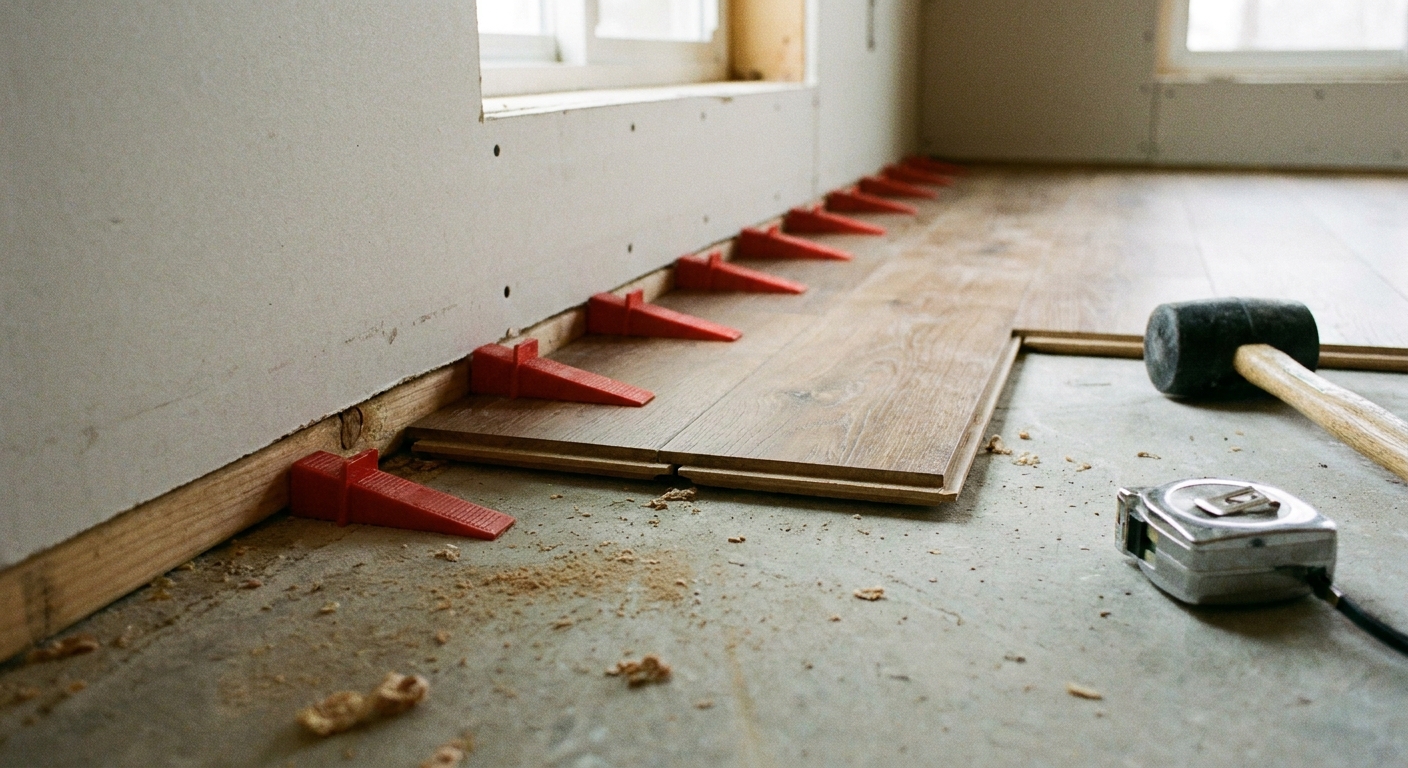
- Leave the expansion gap: basements still move seasonally. Respect the perimeter gap, including around posts and stairs.
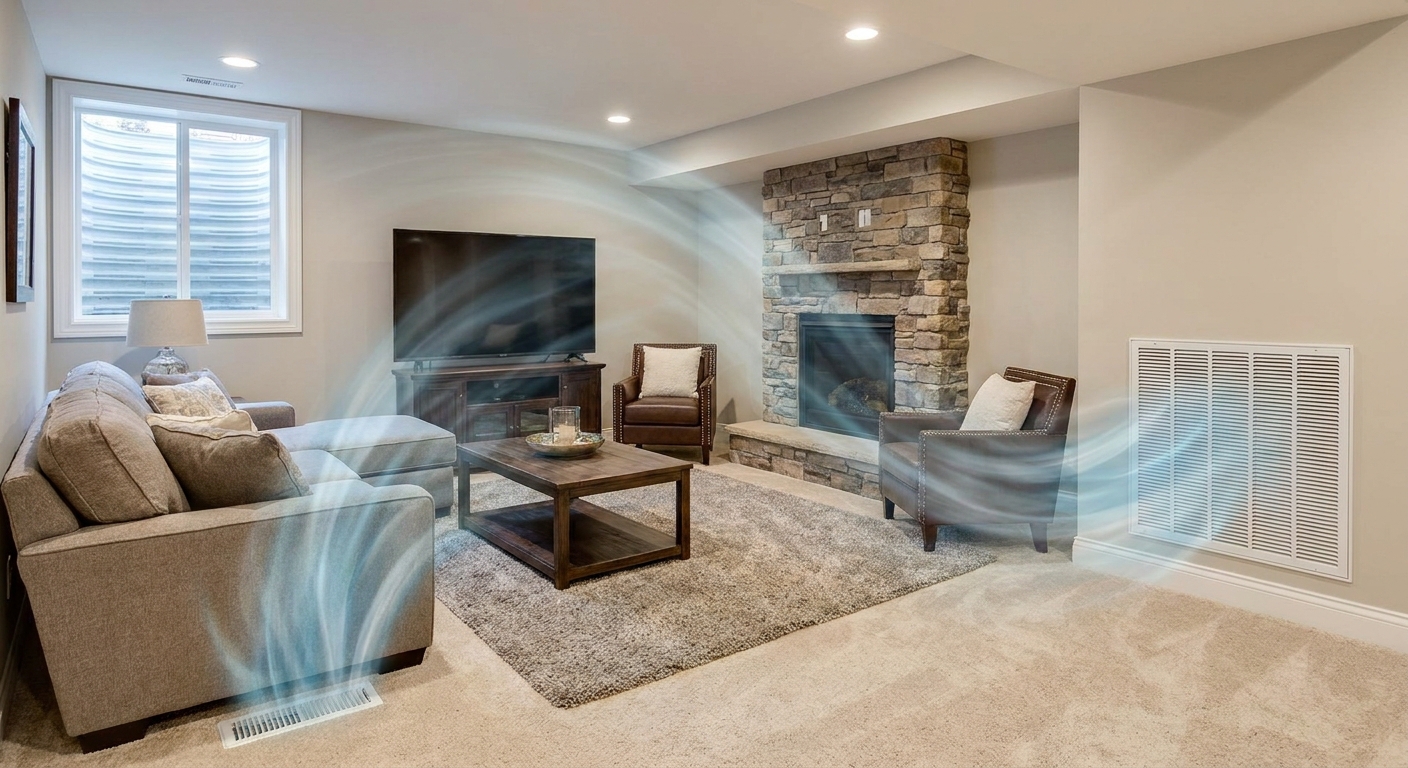
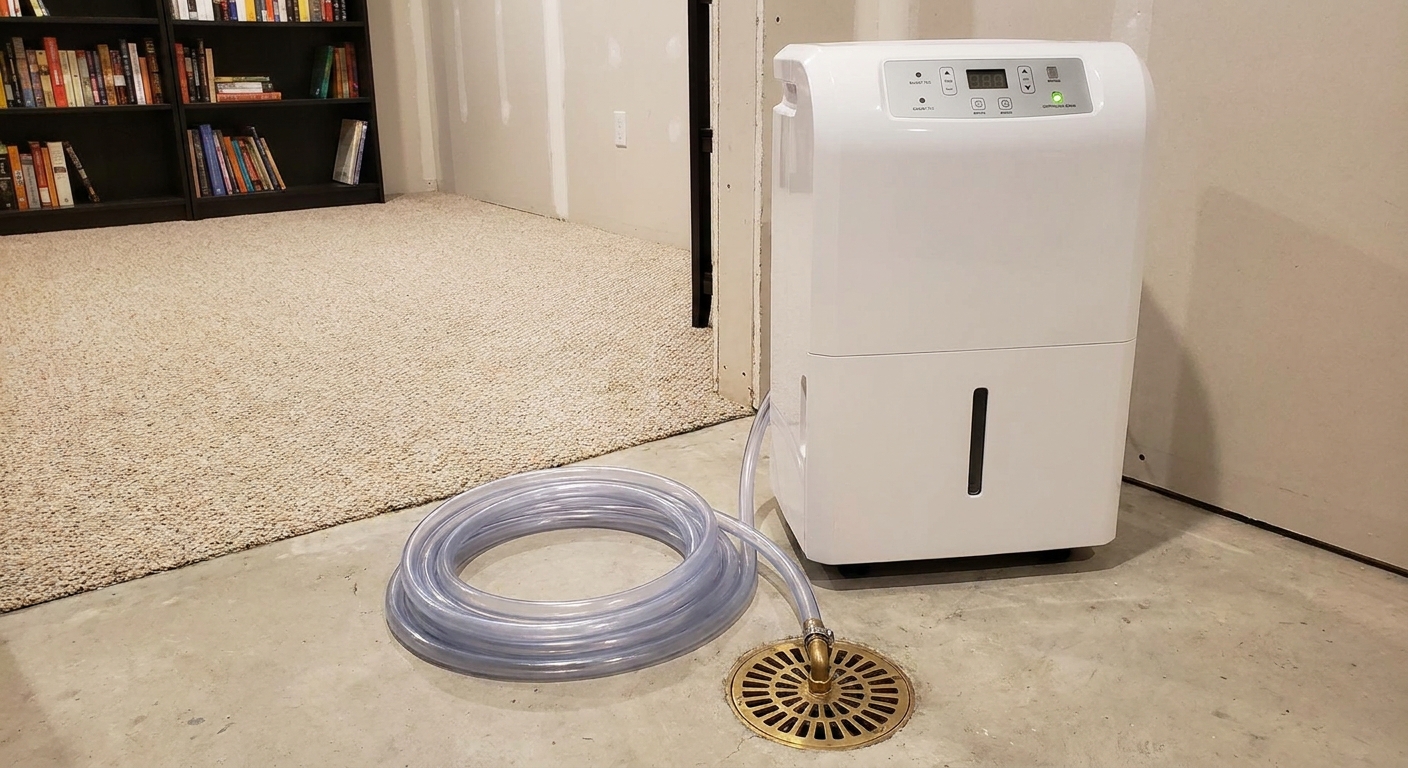
- Control humidity: a finished basement should not feel like a greenhouse in July. If you need help dialing that in, start with Basement Ventilation Strategies for Fresh, Odor-Free Air and Basement Dehumidifier Sizing and System Options.
- Plan transitions: doorway height differences and stair noses are where DIY installs look DIY. Dry fit and think ahead.
- Skip carpet pad thinking: use underlayment approved for your specific product and for below-grade use.
FAQ
Can I put laminate in a basement at all?
Yes, but it is a risk-managed choice. If the basement is dry, the slab moisture is within the flooring specs, and you install the proper vapor barrier and underlayment, laminate can perform well. The big downside is what happens when water gets into seams or sits on the surface for too long.
Is LVP really waterproof in a basement flood?
The planks can handle water far better than laminate, but a flood is still a flood. Water can get underneath, soak baseboards, and create mold issues in drywall or framing. LVP improves your odds of saving the finished floor, but it does not make the room flood-proof.
What about installing either floor over a vapor barrier?
In basements, vapor control is normal and often necessary. The key is following the flooring manufacturer requirements and avoiding layering materials that trap moisture against organic components. When in doubt, start with a moisture test and design the assembly from the slab up.
Which is better for a basement home gym?
If the gym includes free weights and heavy point loads, think about denting and use equipment mats regardless. Laminate can be dent resistant, but LVP is less sensitive to occasional sweat or water bottles. For most home gyms, I lean LVP plus quality mats.
My bottom line
If you want the simplest “sleep well at night” basement floor, I would pick a quality LVP with a solid locking system and build the installation around moisture reality, not best-case assumptions. Laminate can be a great-looking, hard-wearing floor in the right basement, but it asks you to be honest about how dry the space truly is, including on your worst week of the year.
For more basement floor decision-making, start at Flooring Options.